Canadians have access to a comprehensive range of over-the-counter pain medications that can effectively manage various types of discomfort. Understanding the different options available helps you make informed decisions about which medication best suits your specific pain relief needs.
Acetaminophen is one of Canada's most trusted pain relievers, offering effective relief for headaches, fever, and mild to moderate pain. The standard adult dosage is 325-650mg every 4-6 hours, with a maximum daily limit of 4,000mg. This medication works by blocking pain signals in the brain and is particularly gentle on the stomach, making it suitable for individuals who cannot tolerate anti-inflammatory medications.
Ibuprofen provides powerful anti-inflammatory properties that make it especially effective for muscle pain, arthritis relief, and conditions involving swelling. Adults typically take 200-400mg every 4-6 hours, not exceeding 1,200mg daily without medical supervision. This medication reduces inflammation at the source of pain while providing analgesic effects.
Beyond pain management, aspirin offers unique blood-thinning effects that provide cardiovascular benefits. Low-dose aspirin therapy is often recommended for heart health, while regular-strength formulations effectively manage pain and inflammation. Enteric-coated versions like Entrophen protect the stomach lining during extended use.
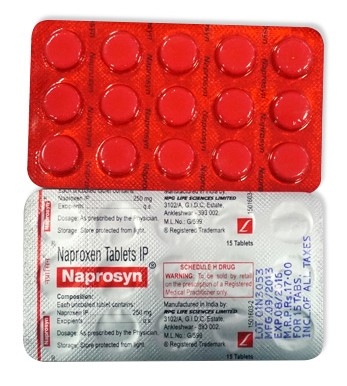
Naproxen delivers long-lasting relief ideal for chronic conditions requiring sustained pain management. With effects lasting up to 12 hours, this medication reduces the frequency of dosing while maintaining consistent relief for arthritis, back pain, and other persistent discomfort.
Proper medication use involves several important safety considerations:
Seek medical advice when pain persists beyond recommended treatment duration, worsens despite medication, or accompanies concerning symptoms like fever, swelling, or mobility issues. Healthcare providers can assess underlying conditions and recommend appropriate treatment adjustments.
External pain management offers targeted relief for localized discomfort without the systemic effects of oral medications. These products deliver active ingredients directly to affected areas, providing focused treatment for muscle soreness, joint pain, and other external conditions.
Menthol-based topical treatments create a cooling sensation that helps distract from pain signals while improving blood flow to affected areas. Products like Bengay and Aspercreme are particularly effective for muscle soreness, minor strains, and exercise-related discomfort. The cooling effect provides immediate relief while active ingredients work to reduce inflammation.
Derived from natural pepper extract, capsaicin creams offer specialized relief for arthritis and neuropathic pain. These products work by depleting substance P, a neurotransmitter that carries pain signals to the brain. Regular application over several weeks typically produces optimal results for chronic pain conditions.
Topical anti-inflammatory products deliver concentrated relief directly to painful joints and muscles without significant systemic absorption. These formulations are ideal for individuals who experience stomach sensitivity with oral anti-inflammatory medications while still requiring effective inflammation control.
Extended-release pain relief patches provide continuous comfort through controlled medication delivery over 8-12 hours. These convenient solutions maintain consistent pain management throughout daily activities and overnight, making them particularly valuable for chronic conditions requiring sustained relief.
Proper topical application ensures maximum effectiveness and safety:
Topical and oral pain medications can often be safely combined for enhanced relief, as topical products have minimal systemic absorption. However, consult healthcare providers before combining treatments, especially when using multiple products containing similar active ingredients or when managing chronic conditions requiring ongoing pain management strategies.
Modern pharmacy shelves offer sophisticated pain management solutions tailored to specific conditions, providing targeted relief beyond traditional over-the-counter options. These advanced formulations combine proven ingredients with innovative delivery methods to address unique pain patterns and underlying causes.
Migraine sufferers benefit from specialized combination therapies that target multiple symptoms simultaneously. Fast-acting formulas containing acetaminophen, aspirin, and caffeine provide rapid onset relief, while dissolvable tablets ensure quick absorption during severe episodes when swallowing becomes difficult.
Arthritis management extends beyond simple pain relief through comprehensive joint support products. Glucosamine and chondroitin supplements help maintain cartilage health, while topical formulations containing menthol, capsaicin, or diclofenac deliver targeted relief directly to affected joints without systemic side effects.
Back pain solutions include muscle relaxant formulations and ergonomically designed support products. Heat therapy patches, cooling gels, and combination oral medications address both muscle tension and inflammation that commonly contribute to spinal discomfort.
Women's health requirements receive dedicated attention through menstrual pain relief products featuring naproxen sodium or ibuprofen formulations specifically designed for prostaglandin-related discomfort. These often include additional ingredients to address bloating and mood changes.
Athletic recovery demands professional-grade options including:
Natural alternatives include homeopathic remedies, herbal anti-inflammatories like turmeric and willow bark, and traditional therapies that complement conventional treatments while meeting Health Canada's safety standards.
Safe and effective pain management requires careful consideration of age-specific physiological differences, developmental factors, and medication safety profiles. Canadian pharmacies stock comprehensive ranges designed for each life stage, ensuring appropriate dosing and formulation choices.
Children's pain relief prioritizes safety through precisely formulated liquid medications and chewable tablets. Acetaminophen and ibuprofen remain the cornerstone treatments, with colour-coded packaging and clear dosing charts preventing accidental overdose. Flavoured options improve compliance while sugar-free formulations protect dental health.
Age-appropriate dosing guidelines strictly follow weight-based calculations, with specialized measuring devices ensuring accurate administration. Parents receive detailed poison prevention education, emphasizing child-resistant packaging and proper storage protocols.
Adult formulations offer standard strength options for routine discomfort, including headaches, minor injuries, and inflammatory conditions. Extended-release formulations provide sustained relief for chronic conditions while minimizing dosing frequency.
Senior-friendly options acknowledge complex medication regimens and potential interactions. Gentle formulations reduce gastrointestinal irritation, while lower-dose options accommodate age-related changes in drug metabolism. Pharmacist consultation becomes crucial for managing polypharmacy concerns.
Pregnancy and breastfeeding require specialized guidance, with acetaminophen generally preferred over NSAIDs during specific trimesters. Healthcare providers recommend:
Pharmacists provide personalized consultations, reviewing individual health histories and current medications to recommend optimal pain management strategies that prioritize both maternal comfort and fetal safety throughout different stages of pregnancy and lactation.
Effective pain management begins with identifying the specific type of pain you're experiencing. Different pain categories require tailored treatment approaches to achieve optimal relief and support your overall well-being.
Acute pain typically results from sudden onset injuries, post-surgical procedures, or immediate trauma. This type of pain serves as a protective mechanism and usually responds well to over-the-counter analgesics, topical treatments, and short-term relief strategies. Quick intervention can prevent acute pain from developing into chronic conditions.
Chronic pain persists beyond normal healing time and requires sustained management approaches combining medication, lifestyle modifications, and ongoing support. Inflammatory pain, often accompanied by swelling and redness, responds best to anti-inflammatory medications and targeted therapies. Neuropathic pain stems from nerve damage or dysfunction, requiring specialized treatment options that address nerve-related symptoms. Muscular pain from strain, overuse, or tension benefits from targeted muscle relief products, including topical analgesics and muscle relaxants. Joint pain, particularly from arthritis or age-related stiffness, requires mobility-supporting treatments that reduce inflammation while maintaining flexibility and function.
Responsible pain medication use requires understanding proper safety protocols and maintaining open communication with healthcare professionals. Always read medication labels carefully, noting active ingredients, dosage instructions, and expiration dates to ensure safe and effective use.
Understanding potential drug interactions and contraindications is essential, particularly when taking multiple medications or managing existing health conditions. Seek immediate professional medical advice for persistent pain lasting more than a few days, severe pain that interferes with daily activities, or pain accompanied by concerning symptoms.
Emergency situations requiring immediate medical attention include severe chest pain, sudden severe headaches, pain following significant trauma, or pain accompanied by fever, numbness, or difficulty breathing. Building strong relationships with your healthcare team ensures ongoing support for effective pain management strategies.