Neurontin
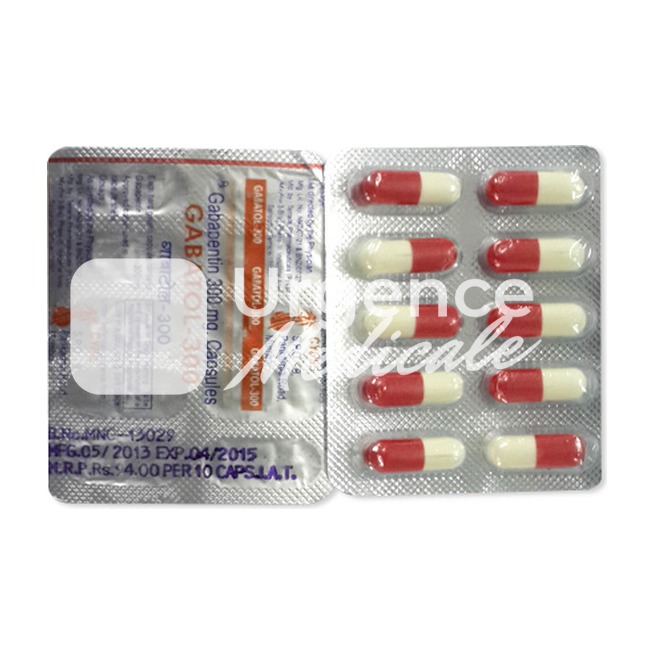
In brief
- Neurontin is the name under which we offer gabapentin in strengths of 100, 300, 400, 600 and 800 mg, as tablets or capsules.
- Neurontin is a prescription medicine; your doctor decides whether it suits you and supervises the treatment.
- Packs available in our shop range from 10 to 360 units, depending on the strength you select.
- Neurontin belongs to the anticonvulsant group and is used for certain types of seizures and for nerve pain after shingles.
- Neurontin can cause dizziness and drowsiness, so be careful with driving and machinery until you know how it affects you.
- Do not stop Neurontin suddenly; the doctor reduces the dose gradually.
- Neurontin and opioids or other sedating medicines can slow breathing; tell your doctor about everything you take.
- Delivery time depends on the shipping method and is shown at checkout.
Basic Neurontin Information
- Active substance (INN): gabapentin
- Form and strengths offered: tablets or capsules of 100, 300, 400, 600 and 800 mg; packs of 10 to 360
- Drug group: anticonvulsant (antiepileptic) that also acts on nerve pain
- Availability: prescription medicine
- Our offer: under the name Neurontin we offer gabapentin in the strengths listed above
What Neurontin Is Used For
Neurontin (gabapentin) is a prescription medicine. In Canada, Neurontin is authorized as add-on treatment for adults with epilepsy that is not adequately controlled by conventional therapy. Doctors also prescribe gabapentin off-label for neuropathic pain, including pain after shingles. Your doctor may also discuss other uses based on your situation. Whether Neurontin is right for you is a medical decision, and treatment is supervised by a doctor.
How Neurontin Works
Gabapentin, the substance in Neurontin, is structurally related to the brain messenger GABA, but it does not act on GABA receptors directly. It binds to a subunit of calcium channels on nerve cells and reduces the release of excitatory signals. This calming effect on overactive nerves is why Neurontin is used in seizure disorders and in nerve pain.
Neurontin Dosage and Administration
The ranges below are informational. Epilepsy dosing follows the Canadian monograph; postherpetic neuralgia dosing comes from standard prescribing references for an off-label use in Canada. The dose of Neurontin is always set by your doctor and depends on the condition, age, kidney function and response to treatment.
- Postherpetic neuralgia (adults): treatment usually starts with a low dose and is increased step by step over several days; standard references describe gradual titration to 1800 mg a day in three divided doses, according to response and tolerability; the doctor sets the dose.
- Partial seizures (adults, add-on): the monograph gives a usual range of about 900 to 1800 mg a day in three divided doses.
- Kidney problems: gabapentin leaves the body through the kidneys, so the doctor lowers the dose when kidney function is reduced.
How to Take Neurontin
- Swallow Neurontin with water, with or without food, at regular times.
- Do not let more than 12 hours pass between doses when taking it three times a day, unless your doctor tells you otherwise.
- If you take an antacid containing aluminum or magnesium, take Neurontin at least 2 hours afterwards, because the antacid lowers absorption.
- Never stop Neurontin abruptly. Sudden withdrawal can trigger seizures or other withdrawal symptoms; the doctor reduces the dose gradually, usually over at least a week.
Who Should Not Take Neurontin
- People allergic to gabapentin or to any ingredient of the product.
- Anyone who has had a serious allergic reaction to Neurontin in the past.
Tell your doctor before starting Neurontin if you have kidney disease, a history of depression or mood changes, breathing problems such as COPD, diabetes, or a history of substance misuse. Older adults may be more sensitive to the sedating effects of Neurontin.
Neurontin Side Effects
Common side effects of Neurontin
- dizziness, drowsiness (somnolence) and tiredness;
- unsteadiness or poor coordination (ataxia);
- swelling of the hands, legs or feet;
- blurred or double vision;
- weight gain and dry mouth.
The frequency of each side effect is given in the Neurontin product monograph.
Serious Neurontin side effects: when to get urgent help
- Suicidal thoughts or behaviour: antiepileptic medicines, including gabapentin, have been linked to a small increase in suicidal thoughts. Call your doctor or emergency services right away if you notice new or worsening depression, mood changes or thoughts of self-harm.
- Serious allergic reaction or skin rash with fever and swollen glands (a multi-organ hypersensitivity reaction): stop the medicine and get urgent medical help.
- Slow or shallow breathing or extreme sleepiness: seek emergency help.
- Severe stomach pain (possible pancreatitis) or yellowing of the skin or eyes.
Neurontin Interactions
- Opioids and other central nervous system depressants (sedatives, sleeping pills, some anti-anxiety medicines, alcohol): combined with Neurontin they can cause severe drowsiness and respiratory depression (slow breathing). Morphine can also raise gabapentin levels.
- Antacids with aluminum or magnesium: take Neurontin at least 2 hours later.
- Other seizure medicines: your doctor will review the combination.
Give your doctor a full list of prescription medicines, natural health products and supplements before you start Neurontin.
Neurontin During Pregnancy and Breastfeeding
Neurontin should be used in pregnancy only if the doctor judges that the benefit outweighs the risk, and seizures themselves can be dangerous for mother and baby, so do not stop treatment on your own. Gabapentin passes into breast milk; discuss breastfeeding with your doctor while taking Neurontin.
Neurontin, Alcohol and Driving
Neurontin can impair alertness and coordination, particularly at the beginning of treatment or after a dose change. Avoid driving or operating machinery until you know how Neurontin affects you, and avoid alcohol because it adds to the drowsiness.
Storing Neurontin and Missed Doses
- Store Neurontin at room temperature, in the original package, away from moisture and out of the reach of children.
- If you miss a dose, take it when you remember, unless it is almost time for the next one. Do not double the dose.
Neurontin Compared With Similar Medicines
| Medicine | Substance | Typical use |
|---|---|---|
| Neurontin | gabapentin | add-on in partial seizures; postherpetic neuralgia |
| Lyrica | pregabalin | neuropathic pain, fibromyalgia, add-on in partial seizures |
| Tegretol | carbamazepine | epilepsy, trigeminal neuralgia |
| Elavil | amitriptyline | depression; sometimes used for nerve pain at the doctor's discretion |
Neurontin FAQ
Is Neurontin a prescription medicine?
Yes. Neurontin is a prescription medicine, and treatment is decided and supervised by a doctor.
What strengths of Neurontin do you offer?
Under the name Neurontin we offer gabapentin 100, 300, 400, 600 and 800 mg, as tablets or capsules, in packs of 10 to 360. Choose the strength your doctor has prescribed.
Can I stop Neurontin when I feel better?
No. Do not stop Neurontin suddenly. Your doctor will reduce the dose gradually to avoid withdrawal symptoms or seizures.
How long does delivery of Neurontin take?
Delivery time depends on the shipping method and is shown at checkout.