Muscle relaxants are medications designed to reduce muscle tension, alleviate spasms, and provide relief from muscle-related pain and discomfort. These therapeutic agents work by targeting the nervous system's control over muscle contractions, helping patients regain mobility and comfort during recovery from various musculoskeletal conditions.
Central acting muscle relaxants work within the brain and spinal cord to interrupt nerve signals that cause muscle contractions. These medications affect the central nervous system's communication pathways, reducing overall muscle tone and spasticity. Peripheral acting muscle relaxants, on the other hand, work directly at the muscle fibre level, blocking calcium release or interfering with the muscle contraction process itself.
Muscle relaxants employ different mechanisms to achieve their therapeutic effects. Central acting agents typically enhance the effects of gamma-aminobutyric acid (GABA), a neurotransmitter that inhibits nerve transmission, or block sodium channels in nerve membranes. Peripheral agents may interfere with calcium release in muscle cells or block acetylcholine receptors at neuromuscular junctions.
Neuromuscular blocking agents are primarily used during surgical procedures to achieve complete muscle paralysis, whilst antispasmodics are prescribed for therapeutic muscle relaxation in outpatient settings. Antispasmodics help manage chronic conditions and acute muscle spasms without causing complete paralysis.
Healthcare providers prescribe muscle relaxants when conservative treatments like rest, physiotherapy, or over-the-counter pain relievers prove insufficient. These medications require careful monitoring due to potential side effects including drowsiness, dizziness, and dependency risks. Contraindications include severe liver disease, myasthenia gravis, and certain cardiovascular conditions. Patients should always follow prescribed dosages and avoid alcohol consumption whilst taking these medications.
Muscle relaxants serve as valuable therapeutic options for various musculoskeletal and neurological conditions affecting Canadians. These medications provide targeted relief for both acute and chronic conditions that involve muscle spasticity, tension, or spasms.
Acute muscle spasms and strains frequently occur from sudden movements, overexertion, or minor injuries. Muscle relaxants help break the cycle of pain and spasm that can prolong recovery. These medications are particularly effective for acute lower back pain, neck strains, and muscle pulls that result from workplace injuries or daily activities.
Chronic back pain and neck pain often involve persistent muscle tension that contributes to ongoing discomfort. Muscle relaxants can provide relief when used as part of a comprehensive treatment plan including physiotherapy and lifestyle modifications. Fibromyalgia patients may benefit from certain muscle relaxants that help improve sleep quality and reduce widespread muscle pain and stiffness.
Several neurological conditions benefit significantly from muscle relaxant therapy:
Post-surgical muscle tension commonly occurs after orthopaedic procedures, and muscle relaxants help patients recover more comfortably whilst participating in rehabilitation programmes. Sports-related injuries involving muscle strains, contusions, or overuse syndromes may require short-term muscle relaxant therapy to facilitate healing and return to activity.
Canada offers a comprehensive range of muscle relaxants to treat various muscular conditions, each with distinct mechanisms of action and therapeutic applications. These medications are carefully regulated by Health Canada to ensure safe and effective treatment for patients experiencing muscle spasms, tension, and related conditions.
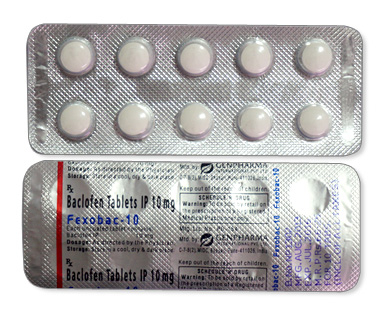
Baclofen (Lioresal) functions as a GABA-B receptor agonist, effectively reducing muscle spasticity by inhibiting nerve transmission in the spinal cord. Typically prescribed in doses ranging from 15-80mg daily, divided into multiple doses, baclofen is particularly effective for conditions like multiple sclerosis and spinal cord injuries. The medication requires gradual dose titration and careful monitoring due to potential central nervous system effects.
Cyclobenzaprine (Flexeril) serves as a first-line treatment for acute muscle conditions and is structurally similar to tricyclic antidepressants. This medication works centrally to reduce muscle hyperactivity and is commonly prescribed for short-term relief of acute musculoskeletal conditions, typically for periods not exceeding two to three weeks.
Tizanidine (Zanaflex) operates through alpha-2 agonist properties, providing muscle relaxation by reducing the release of excitatory neurotransmitters. This medication is particularly beneficial for patients with spasticity related to neurological conditions and offers the advantage of less sedation compared to other muscle relaxants.
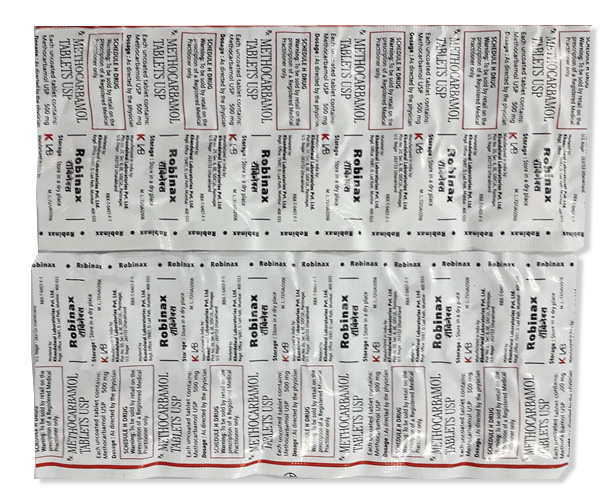
Methocarbamol (Robaxin) stands out as one of the few muscle relaxants available over-the-counter in Canada, making it accessible for mild to moderate muscle tension relief. However, higher strength formulations require a prescription.
Orphenadrine (Norflex) functions as an anticholinergic muscle relaxant, combining muscle-relaxing properties with mild analgesic effects. This medication is particularly useful for patients who experience both muscle spasm and associated pain.
Canadian regulations regarding muscle relaxants include specific considerations:
Prescription requirements vary based on the specific medication, with most requiring assessment by a physician or qualified healthcare practitioner to determine appropriate dosing and duration of treatment.
Muscle relaxants should always be initiated at the lowest effective dose as prescribed by your healthcare provider. Your doctor will typically start with a minimal dosage and gradually increase it based on your response to treatment and tolerance levels. This careful approach helps minimize side effects while achieving optimal therapeutic benefits. Never adjust your dosage without consulting your healthcare professional, as improper dosing can lead to inadequate pain relief or increased risk of adverse reactions.
Most muscle relaxants are intended for short-term use, typically ranging from a few days to several weeks. Short-term treatment focuses on acute muscle spasms and immediate pain relief. Long-term use is generally discouraged due to the potential for dependency and diminishing effectiveness. However, certain chronic conditions may require extended treatment under close medical supervision. Your healthcare provider will regularly evaluate the necessity of continued treatment and explore alternative therapies when appropriate.
The timing of your muscle relaxant doses is crucial for maintaining consistent therapeutic levels in your system. Most medications in this category are taken multiple times throughout the day at evenly spaced intervals. Some muscle relaxants may cause drowsiness, making evening doses more suitable, while others may be better tolerated during daytime hours. Always follow the specific timing instructions provided by your pharmacist or healthcare provider.
Food can significantly affect how your body absorbs muscle relaxants. Some medications are better absorbed on an empty stomach, while others should be taken with food to reduce stomach irritation. High-fat meals may delay absorption of certain muscle relaxants, potentially affecting their onset of action. Always check the medication label or consult your pharmacist about whether to take your medication with or without food for optimal effectiveness.
Muscle relaxants commonly cause central nervous system depression, resulting in drowsiness, dizziness, and general weakness. These effects are typically most pronounced when starting treatment or increasing dosages. Other frequent side effects include dry mouth, blurred vision, confusion, and coordination problems. Most mild side effects diminish as your body adjusts to the medication, but persistent or worsening symptoms should be reported to your healthcare provider promptly.
While rare, serious side effects can occur with muscle relaxant therapy. Watch for signs of allergic reactions, including rash, itching, swelling, severe dizziness, or trouble breathing. Other concerning symptoms include severe confusion, hallucinations, irregular heartbeat, difficulty urinating, or signs of liver problems such as yellowing of skin or eyes. Seek immediate medical attention if you experience any of these serious adverse reactions.
Muscle relaxants can interact dangerously with numerous substances and medications. The following combinations require special caution:
Elderly patients are particularly sensitive to muscle relaxants and may require lower doses due to slower metabolism and increased fall risk. Pregnant and breastfeeding women should avoid most muscle relaxants unless specifically prescribed by their healthcare provider, as many of these medications can cross the placenta or enter breast milk. Patients with liver or kidney disease may need dosage adjustments to prevent medication accumulation.
Never consume alcohol while taking muscle relaxants, as this combination can be dangerous and potentially fatal. The sedative effects of both substances are amplified when combined, increasing the risk of severe respiratory depression, loss of consciousness, and accidents. Similarly, avoid operating vehicles, machinery, or engaging in activities requiring alertness and coordination until you understand how the medication affects you personally.
Store muscle relaxants in their original containers at room temperature, away from light, moisture, and heat. Keep medications in a secure location away from children and pets, as even small amounts can be dangerous to them. Never share your prescription medications with others, even if they have similar symptoms. Dispose of unused or expired medications through approved pharmaceutical disposal programs or take-back events in your community.
Maintain regular appointments with your healthcare provider while using muscle relaxants. These visits allow for monitoring of treatment effectiveness, assessment of side effects, and evaluation of continued need for therapy. Your doctor may periodically review your medication regimen and consider alternative treatments or dosage adjustments. Keep a record of your symptoms, side effects, and overall response to treatment to discuss during these appointments.
Be aware of signs that may indicate developing dependency, such as needing higher doses for the same effect, experiencing withdrawal symptoms when doses are missed, or feeling unable to function without the medication. Overdose symptoms include extreme drowsiness, confusion, weak pulse, slow or shallow breathing, and loss of consciousness. If you suspect an overdose, call emergency services immediately or contact your local poison control centre for guidance.