The thyroid gland plays a crucial role in regulating metabolism, energy levels, and overall bodily functions through the production of thyroid hormones. When this delicate system becomes imbalanced, hormone replacement therapy may be necessary to restore optimal health and wellbeing.
Hypothyroidism occurs when the thyroid gland produces insufficient hormones, leading to symptoms such as fatigue, weight gain, cold intolerance, and depression. Conversely, hyperthyroidism involves excessive hormone production, causing symptoms like rapid heartbeat, weight loss, anxiety, and heat intolerance. Both conditions require proper medical evaluation and treatment.
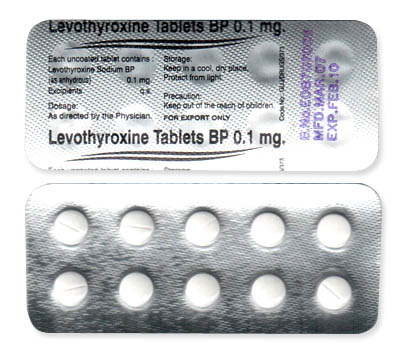
Several effective thyroid hormone replacement medications are available through Canadian pharmacies:
Proper thyroid hormone therapy requires careful dosage adjustments based on individual patient needs and regular blood work monitoring. Healthcare providers typically start with lower doses and gradually increase as needed. Consistent timing is essential - taking medication at the same time daily, preferably on an empty stomach, ensures optimal absorption and therapeutic effectiveness.
Dietary considerations include avoiding calcium supplements, iron, and certain foods within several hours of medication administration, as these can interfere with hormone absorption and reduce treatment efficacy.
Reproductive hormones are fundamental to sexual development, fertility, and overall reproductive health throughout life. These complex chemical messengers regulate numerous bodily functions and require careful management when imbalances occur.
Estrogen and progesterone are the primary female reproductive hormones, influencing menstrual cycles, pregnancy, and menopause. Hormone therapy options help manage various conditions and life stages, from contraception to menopause symptom relief.
Available hormone therapy options in Canada include:
Menopause management often involves hormone replacement therapy to alleviate symptoms such as hot flashes, night sweats, mood changes, and bone density concerns. Healthcare providers work with patients to determine the most appropriate treatment approach based on individual risk factors and health goals.
Testosterone is the primary male reproductive hormone, affecting muscle mass, bone density, libido, and overall vitality. Low testosterone levels can significantly impact quality of life and may require replacement therapy.
Testosterone replacement options available in Canada include topical gels such as AndroGel and Testim, which provide convenient daily application and consistent hormone delivery. These treatments help restore normal testosterone levels and improve associated symptoms.
Reproductive hormone therapies play essential roles in fertility treatments for both men and women. Conditions such as Polycystic Ovary Syndrome (PCOS) require specialized hormone management to regulate cycles and improve fertility outcomes. Healthcare providers may prescribe various hormone medications to stimulate ovulation, regulate menstrual cycles, or support assisted reproductive technologies.
Hormone therapy also addresses sexual health concerns and supports proper reproductive development during puberty when natural hormone production may be delayed or insufficient.
Diabetes management in Canada relies heavily on various hormone therapies, with insulin being the cornerstone treatment for many patients. Canadian pharmacies stock a comprehensive range of insulin products to meet diverse patient needs and lifestyle requirements.
Rapid-acting insulins such as Humalog (insulin lispro) and NovoRapid (insulin aspart) begin working within 15 minutes and are ideal for mealtime blood sugar control. Long-acting options including Lantus (insulin glargine) and Levemir (insulin detemir) provide 24-hour baseline coverage with minimal peaks. Intermediate-acting insulins like NPH offer moderate duration action, typically lasting 12-18 hours.
Glucagon emergency kits are essential for severe hypoglycemia management. Newer diabetes medications affecting hormone pathways include GLP-1 receptor agonists and SGLT-2 inhibitors, which work alongside natural hormone systems to improve blood sugar regulation while offering additional cardiovascular and weight management benefits.
Corticosteroids are synthetic versions of cortisol, the body's natural stress hormone produced by the adrenal glands. These powerful medications are widely used across Canada for managing inflammatory conditions and immune system disorders, providing essential relief for millions of patients.
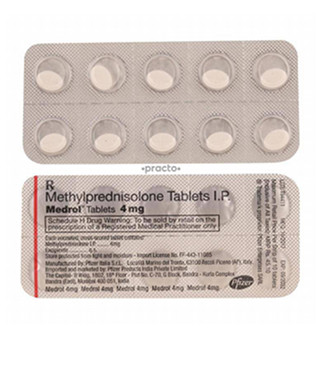
Prednisone remains the most frequently prescribed oral corticosteroid for systemic inflammatory conditions. Hydrocortisone is available in multiple formulations including topical creams, oral tablets, and injectable forms for various applications. Dexamethasone offers potent anti-inflammatory effects with longer duration of action, making it suitable for specific conditions requiring sustained suppression.
Healthcare providers prescribe corticosteroids for numerous conditions including rheumatoid arthritis, severe allergic reactions, asthma exacerbations, inflammatory bowel disease, and various autoimmune disorders. These medications effectively reduce inflammation, suppress overactive immune responses, and provide symptomatic relief.
Long-term corticosteroid use requires careful monitoring for potential complications such as osteoporosis, immune suppression, and metabolic changes.
Growth hormone therapy plays a crucial role in treating growth hormone deficiency in both children and adults across Canada. Health Canada has approved several recombinant human growth hormone products, including somatropin formulations, which are available through specialized endocrinology clinics and pediatric centres nationwide.
In children, growth hormone therapy addresses growth hormone deficiency, Turner syndrome, and chronic kidney disease-related growth failure. Adult applications include growth hormone deficiency syndrome, often resulting from pituitary disorders or previous treatments. Treatment protocols typically involve daily subcutaneous injections, with dosing carefully calibrated based on patient weight, age, and response.
Regular monitoring is essential for safe and effective treatment. Healthcare providers track growth velocity, bone age, and IGF-1 levels through routine blood tests and clinical assessments. Additional developmental hormones, including those affecting bone metabolism and calcium regulation, work synergistically with growth hormone to support healthy development. Treatment duration varies significantly, with pediatric patients often continuing therapy until achieving adult height potential, while adult treatment focuses on metabolic and quality of life improvements.
Proper hormone administration and safety protocols are fundamental to successful treatment outcomes. Canadian healthcare guidelines emphasize the importance of patient education regarding correct injection techniques, storage requirements, and adherence to prescribed schedules.
Most hormone medications require refrigeration and protection from light. Patients must understand proper reconstitution procedures for powdered formulations and rotation of injection sites to prevent tissue complications.
Key safety measures include:
Patients should maintain open communication with their healthcare team and never adjust dosages independently. Emergency protocols should be established for missed doses or adverse reactions, ensuring continuous safety throughout treatment.