Erectile dysfunction (ED) is the persistent inability to achieve or maintain an erection sufficient for satisfactory sexual activity. This condition affects men of all ages across Canada, though it becomes increasingly common with advancing years. Understanding ED requires recognizing the complex biological processes involved in normal erectile function and how various factors can disrupt these mechanisms.
Biologically, erections result from coordinated vascular, neurological, hormonal and psychological processes. When these systems work together properly, increased blood flow fills the penis while specialized muscles trap the blood to maintain rigidity. Disruption in any of these pathways—whether affecting arterial blood flow, nerve signalling, or hormonal balance—can produce ED.
Men experiencing ED typically notice difficulty initiating or sustaining erections, reduced rigidity during sexual activity, and decreased sexual confidence. Over time, these physical symptoms can erode intimacy, self-image, and overall quality of life. The condition often creates a cycle where anxiety about performance further worsens erectile function.
In Canada, ED prevalence rises significantly with age. While a notable minority of younger Canadian men experience some degree of erectile difficulty, the proportion increases substantially among middle-aged and older men. These statistics broadly align with international data, confirming that advancing age is a primary risk factor for developing ED.
Because ED can signal underlying medical conditions—particularly cardiovascular disease and diabetes—it's important to seek medical consultation if erectile difficulties are recurrent, cause personal distress, or occur alongside other symptoms. Early assessment by a qualified healthcare provider allows identification of reversible causes, appropriate treatment planning, and risk reduction for associated health problems.
Erectile dysfunction rarely has a single cause. Instead, it typically results from a combination of physical, psychological, and lifestyle factors that work together to impair normal erectile function. Understanding these various contributors helps guide both treatment and prevention strategies.
Several medical conditions commonly contribute to ED development. Diabetes damages blood vessels and nerves essential for erectile function, while cardiovascular disease and atherosclerosis impair the penile blood flow necessary for erections. Hypertension affects vascular function throughout the body, including the penis. Neurological disorders such as stroke, multiple sclerosis, or spinal cord injury can disrupt the nerve pathways controlling erections. Endocrine problems, particularly low testosterone or thyroid disease, also significantly impact sexual function.
Several lifestyle choices strongly influence ED risk:
Mental health plays a crucial role in sexual function. Performance anxiety, chronic stress, depression, and relationship difficulties can initiate or perpetuate ED. These psychological causes often coexist with physical factors, creating complex interactions that require comprehensive treatment approaches. The mind-body connection in sexual health means that addressing both physical and emotional aspects is frequently necessary for optimal outcomes.
Natural aging processes contribute to increased ED risk through changes in penile tissue elasticity, reduced vascular responsiveness, and gradual decline in hormone levels. While ED is not an inevitable part of aging, these physiological changes make erectile difficulties more likely as men grow older.
Numerous prescription medications can cause or worsen ED. Common culprits include certain blood pressure medications, some antidepressants, antipsychotic drugs, and treatments for enlarged prostate. Men taking multiple medications face increased risk due to potential drug interactions and cumulative effects on sexual function.
Effective prevention strategies focus on maintaining overall health and addressing modifiable risk factors. Regular screening for diabetes, cholesterol disorders, and cardiovascular disease enables early intervention. Key prevention approaches include smoking cessation, moderating alcohol consumption, achieving and maintaining healthy weight, engaging in regular physical exercise, optimizing control of chronic medical conditions, reviewing medications with healthcare providers, and addressing mental health concerns and relationship issues proactively.
Erectile dysfunction affects millions of Canadian men, but the good news is that effective treatment options are readily available across the country. Health Canada has approved various therapeutic approaches that can help restore sexual function and improve quality of life for men experiencing ED.
Treatment for erectile dysfunction in Canada follows a comprehensive approach that may include medication, therapy, and lifestyle modifications. Healthcare providers typically start with the least invasive options and progress to more advanced treatments if necessary. The choice of treatment depends on the underlying cause of ED, overall health status, personal preferences, and lifestyle factors.
Health Canada has approved several oral medications for treating erectile dysfunction, all belonging to a class of drugs called phosphodiesterase type 5 (PDE5) inhibitors. These medications work by increasing blood flow to the penis during sexual arousal. The approved medications include sildenafil, tadalafil, vardenafil, and avanafil, each offering unique benefits in terms of onset time, duration of action, and dosing flexibility.
For men who cannot take oral medications or prefer alternative approaches, several non-pharmaceutical treatments are available in Canada:
Since psychological factors often contribute to erectile dysfunction, counselling and therapy play crucial roles in treatment. Canadian healthcare providers may recommend individual therapy, couples counselling, or sex therapy. Many provincial health plans cover psychological services, and specialized sexual health clinics across Canada offer comprehensive counselling programs tailored to men with ED and their partners.
Lifestyle changes can significantly improve erectile function and are often recommended as first-line treatment or in combination with other therapies. These modifications include regular physical exercise, maintaining a healthy weight, following a balanced diet, limiting alcohol consumption, quitting smoking, managing stress, and ensuring adequate sleep. Canadian healthcare guidelines emphasize the importance of addressing underlying health conditions such as diabetes, hypertension, and cardiovascular disease.
It's essential for Canadian men experiencing erectile dysfunction to consult with qualified healthcare providers before starting any treatment. Family physicians, urologists, and sexual health specialists can properly diagnose the underlying causes, rule out serious health conditions, and recommend the most appropriate treatment options. Telehealth services have also become increasingly available across Canada, providing convenient access to specialized care.
Treatment success rates for erectile dysfunction in Canada are encouraging, with oral medications showing effectiveness in 60-80% of men. Success rates vary depending on the underlying cause, overall health status, and adherence to treatment. Healthcare providers work with patients to set realistic expectations and may adjust treatments based on individual response and tolerance.
The Canadian pharmaceutical market offers several proven medications for erectile dysfunction, each with unique characteristics that make them suitable for different patient needs and lifestyles. Understanding the differences between these medications helps men make informed decisions in consultation with their healthcare providers.
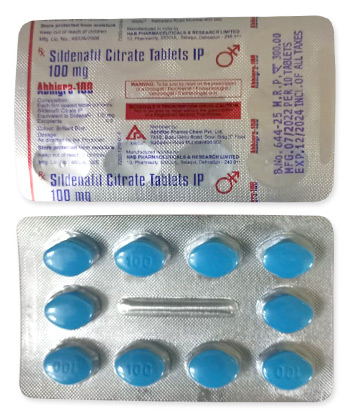
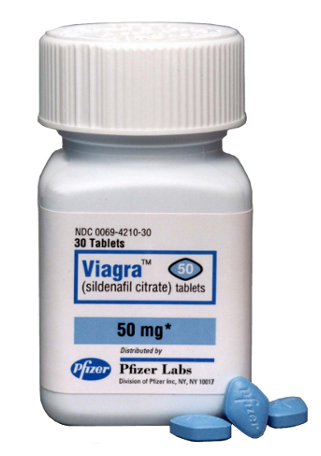
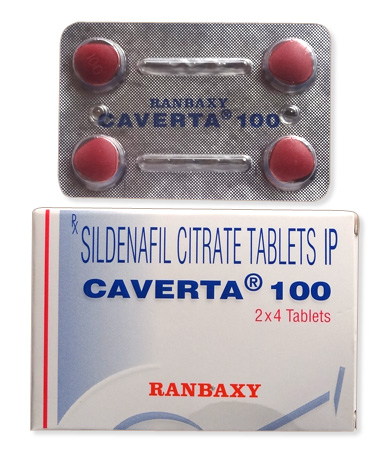
Sildenafil, commonly known by its brand name Viagra, was the first oral ED medication approved by Health Canada. It works by inhibiting the PDE5 enzyme, which allows blood vessels in the penis to relax and fill with blood during sexual arousal. Sildenafil typically takes 30-60 minutes to become effective and remains active for 4-6 hours. The standard starting dose is 50mg, which can be adjusted to 25mg or 100mg based on effectiveness and tolerance. Clinical studies show that sildenafil is effective in approximately 70-85% of men with erectile dysfunction.
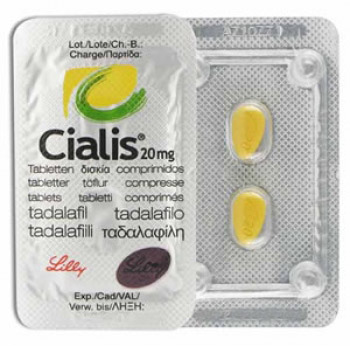
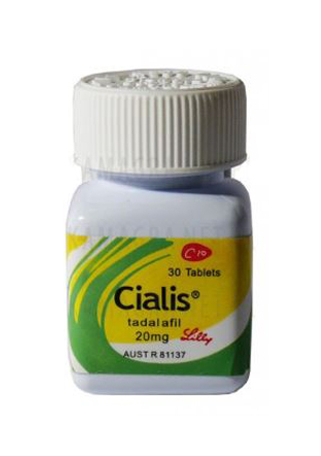
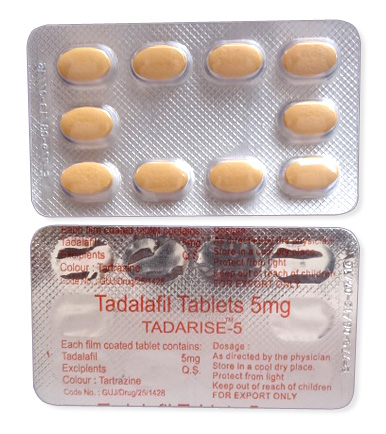
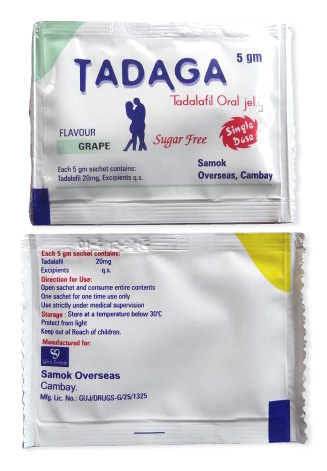
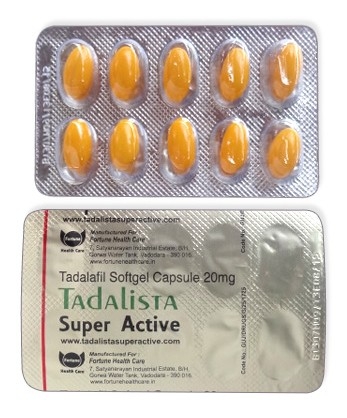
Tadalafil, marketed as Cialis, offers the longest duration of action among ED medications, earning it the nickname "the weekend pill." Its effects can last up to 36 hours, providing greater spontaneity in sexual activity. Tadalafil is available in two dosing options in Canada: on-demand use (10mg or 20mg taken before sexual activity) and daily use (2.5mg or 5mg taken once daily). The daily option is particularly beneficial for men who engage in sexual activity more than twice weekly and want continuous readiness.
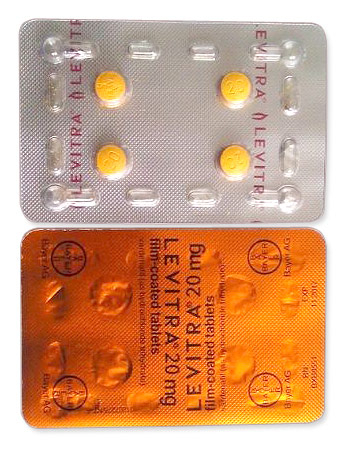
Vardenafil, sold under the brand name Levitra, has a similar mechanism of action to other PDE5 inhibitors but may work faster than sildenafil, with effects beginning as early as 15-30 minutes after taking. It remains effective for 4-6 hours and may be less affected by food intake compared to sildenafil. Vardenafil is particularly suitable for men who want quick onset of action and those who may not respond optimally to other ED medications. The typical starting dose is 10mg, which can be adjusted to 5mg or 20mg as needed.
Health Canada has approved several generic versions of ED medications, providing more affordable options for Canadian men. Generic sildenafil, tadalafil, and vardenafil contain the same active ingredients as their brand-name counterparts and must meet the same quality and effectiveness standards. These generics typically cost 30-80% less than brand-name versions, making treatment more accessible. Popular generic manufacturers in Canada include Teva, Apotex, and Mylan.
When choosing an ED medication, Canadian men should consider the timing characteristics that best fit their lifestyle:
The cost of ED medications in Canada varies significantly between brand-name and generic options. Provincial health insurance plans typically do not cover ED medications for most patients, though coverage may be available for men with certain medical conditions such as diabetes, spinal cord injuries, or prostate cancer treatment. Many private insurance plans offer partial coverage for ED medications. Patient assistance programs and pharmacy discount programs can help reduce out-of-pocket costs. Canadians should compare prices between different pharmacies and consider online pharmacy options that are licensed by provincial regulatory bodies.
While erectile dysfunction medications are generally safe when prescribed by healthcare professionals, it's essential to understand potential side effects and safety considerations. Common side effects may include headaches, facial flushing, indigestion, nasal congestion, and temporary vision changes. Most side effects are mild and resolve on their own.
Certain patients should avoid ED medications entirely, including those taking nitrate medications for heart conditions, individuals with severe cardiovascular disease, or those with uncontrolled blood pressure. Drug interactions can be dangerous, particularly with blood thinners, alpha-blockers, and certain antifungal medications.
Seek immediate medical attention if you experience an erection lasting more than four hours, sudden vision or hearing loss, or severe chest pain. These situations require prompt treatment to prevent permanent complications.
Always follow prescribed dosages and never exceed recommended amounts. Medical supervision ensures safe usage and proper monitoring of your response to treatment, making prescription requirements a crucial safety measure in Canada's healthcare system.
Discussing erectile dysfunction with your healthcare provider may feel uncomfortable, but remember that ED is a common medical condition. Canadian doctors are experienced in treating ED and approach it with professionalism and discretion.
Your doctor will review your medical history, current medications, and lifestyle factors. Be prepared to discuss:
Canada offers various support resources, including counselling services and patient education programs. Maintaining open communication with your partner throughout treatment helps strengthen relationships and reduces anxiety.
Regular follow-up appointments ensure your treatment remains effective and safe. With proper medical care and the right treatment approach, most men experience significant improvement in their erectile function and overall quality of life.