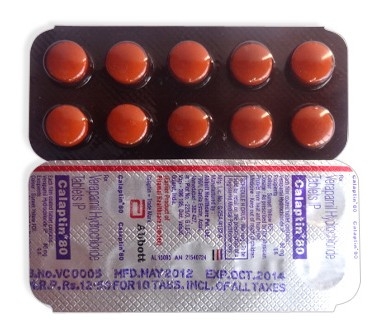
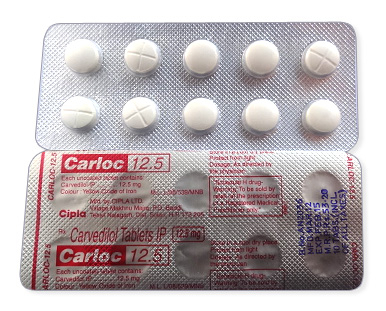
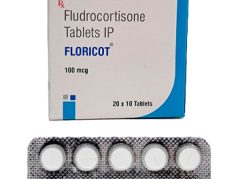
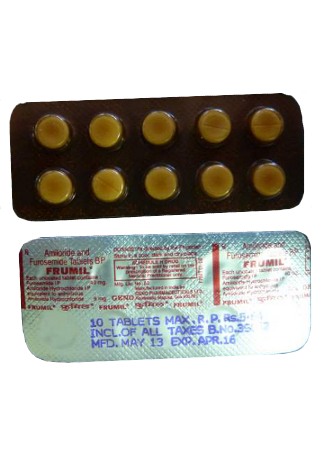
Blood pressure is the force exerted by your blood against the walls of your arteries as your heart pumps blood throughout your body. This vital measurement consists of two numbers: systolic pressure (the top number) representing the pressure when your heart beats, and diastolic pressure (the bottom number) indicating the pressure when your heart rests between beats.
Normal blood pressure for Canadian adults is typically less than 120/80 mmHg. High blood pressure (hypertension) is generally defined as readings consistently at or above 140/90 mmHg, while low blood pressure (hypotension) occurs when readings fall below 90/60 mmHg. However, target ranges may vary based on individual health conditions and age, so it's essential to consult with your healthcare provider about what's appropriate for you.
Several risk factors can contribute to blood pressure problems, including family history, age, obesity, smoking, excessive alcohol consumption, high sodium intake, lack of physical activity, and chronic conditions such as diabetes or kidney disease. Stress and certain medications can also impact blood pressure levels significantly.
Many Canadians with high blood pressure experience no noticeable symptoms, which is why hypertension is often called the "silent killer." However, some individuals may experience headaches, shortness of breath, dizziness, chest pain, or nosebleeds. Low blood pressure symptoms might include lightheadedness, fainting, fatigue, or blurred vision.
Regular blood pressure monitoring is crucial for maintaining cardiovascular health and preventing serious complications such as heart disease, stroke, and kidney problems. Health Canada recommends that adults have their blood pressure checked at least once every two years, or more frequently if advised by their healthcare provider. Home monitoring devices approved by Hypertension Canada can help you track your readings between medical appointments.
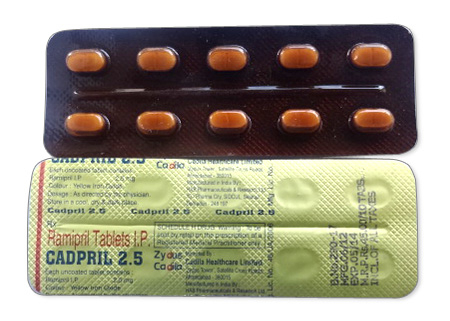
Angiotensin-Converting Enzyme (ACE) inhibitors work by blocking the formation of angiotensin II, a hormone that narrows blood vessels. Common ACE inhibitors available in Canadian pharmacies include ramipril (Altace), lisinopril (Prinivil, Zestril), and enalapril (Vasotec). These medications help relax blood vessels, making it easier for blood to flow and reducing the workload on your heart.
ARBs block the action of angiotensin II at receptor sites, providing similar benefits to ACE inhibitors but with potentially fewer side effects. Popular ARBs in Canada include losartan (Cozaar), valsartan (Diovan), and telmisartan (Micardis). These medications are often prescribed for patients who cannot tolerate ACE inhibitors due to persistent coughing.
These medications prevent calcium from entering the muscle cells of the heart and blood vessels, causing them to relax. Common options include amlodipine (Norvasc), nifedipine (Adalat XL), and diltiazem (Cardizem). They're particularly effective for treating high blood pressure in older adults and those with certain heart conditions.
Beta blockers reduce the heart rate and the heart's output of blood, thereby lowering blood pressure. Frequently prescribed beta blockers in Canada include metoprolol (Lopressor, Betaloc), atenolol (Tenormin), and propranolol (Inderal). These medications are especially beneficial for patients with heart failure or those who have had heart attacks.
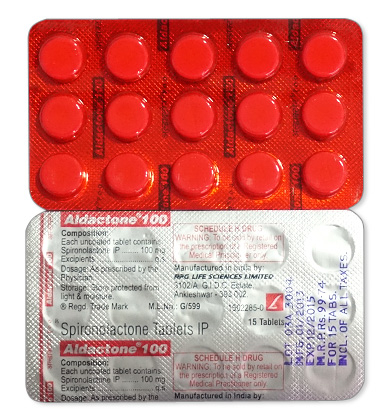
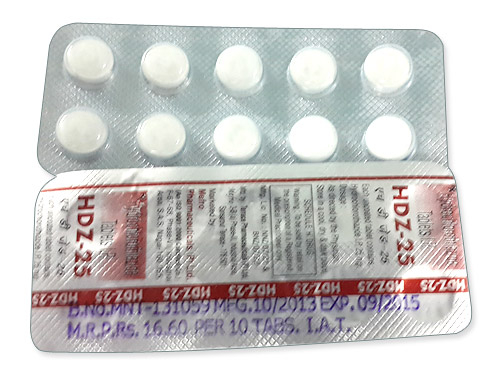
Often called "water pills," diuretics help remove excess sodium and water from the body, reducing blood volume and pressure. Common types available include:
Each medication type works through different mechanisms, and your healthcare provider will determine the most appropriate option based on your specific health profile, other medical conditions, and potential drug interactions. Many Canadians require combination therapy using multiple medication types to achieve optimal blood pressure control.
Selecting the most appropriate blood pressure medication requires careful consideration of multiple factors unique to each patient. Your healthcare provider will evaluate your overall health, age, kidney function, and any existing medical conditions such as diabetes or heart disease when determining the best treatment approach.
Most blood pressure medications begin with low starting doses that are gradually increased over several weeks. This "start low, go slow" approach helps minimize side effects while allowing your body to adjust. Typically, it takes 2-4 weeks to see the full effect of a new medication or dose change, so patience is essential during this adjustment period.
Many patients require more than one medication to achieve target blood pressure levels. Common combination strategies include:
Health Canada ensures that generic medications meet the same safety and efficacy standards as brand name drugs. Generic options can significantly reduce medication costs while providing equivalent therapeutic benefits. Your pharmacist can discuss available generic alternatives that may be covered under provincial drug plans.
Provincial drug coverage varies across Canada, with programs like Ontario Drug Benefit and Fair PharmaCare in British Columbia providing assistance. Private insurance plans may have preferred drug lists that affect your out-of-pocket costs. Always consult your healthcare provider before making medication changes based solely on cost considerations.
While blood pressure medications are generally well-tolerated, some patients may experience side effects. ACE inhibitors can cause a dry cough, diuretics may increase urination frequency, and calcium channel blockers might cause ankle swelling. Beta-blockers can lead to fatigue or cold hands and feet. Most side effects are mild and often diminish as your body adjusts to the medication.
To reduce the likelihood of side effects, take medications as prescribed and maintain consistent timing. Rising slowly from sitting or lying positions can help prevent dizziness. Staying well-hydrated and monitoring your blood pressure regularly allows for early detection of any concerning changes.
Blood pressure medications can interact with other prescription drugs, over-the-counter medications, and natural health products. Key interactions to be aware of include:
Seek immediate medical attention if you experience severe dizziness, fainting, irregular heartbeat, or difficulty breathing. Contact your pharmacist or doctor for persistent side effects, questions about drug interactions, or if your blood pressure readings remain elevated despite medication compliance.
Regular home monitoring is essential for managing blood pressure effectively. Digital blood pressure monitors provide accurate readings and help you track your progress between medical appointments. Many Canadian pharmacies offer guidance on selecting the right monitor for your needs, including upper arm cuffs, wrist monitors, and smart devices that sync with mobile apps. Proper technique and calibration ensure reliable measurements that your healthcare provider can use to adjust your treatment plan.
Successful blood pressure management combines medication with healthy lifestyle choices. Small, sustainable changes can significantly impact your cardiovascular health and may reduce your need for multiple medications. Working with healthcare professionals helps you develop a personalized approach that fits your daily routine and health goals.
A heart-healthy diet plays a crucial role in blood pressure control. The DASH (Dietary Approaches to Stop Hypertension) eating plan emphasizes fruits, vegetables, whole grains, and lean proteins while limiting sodium intake. Regular physical activity, even moderate walking for 30 minutes daily, can help lower blood pressure naturally. Canadian dietary guidelines recommend limiting sodium to less than 2,300 mg per day, with an ideal target of 1,500 mg for optimal blood pressure management.
Chronic stress contributes to elevated blood pressure and can interfere with medication effectiveness. Effective stress management techniques include:
Consistent monitoring through regular medical appointments ensures your treatment remains effective. Most healthcare providers recommend monthly visits when starting new medications, followed by quarterly check-ups once your blood pressure is stable. Many Canadian pharmacies offer blood pressure clinics and medication reviews to supplement your medical care and provide convenient monitoring options.
All blood pressure medications in Canada require a valid prescription from a licensed healthcare provider. Your doctor will assess your condition, review your medical history, and prescribe the most appropriate medication for your needs. Prescriptions can be written for various durations, typically ranging from one to six months, depending on your treatment stability and provincial regulations.
Plan your refills in advance to avoid running out of medication, as sudden discontinuation can cause dangerous blood pressure spikes. Most provinces allow refills when you have about a week's supply remaining. Canadian pharmacies often provide automatic refill services and reminder systems to help you maintain consistent medication schedules. Keep track of your remaining pills and contact your pharmacy or healthcare provider well before your supply runs low.
Canadian pharmacists are valuable partners in your blood pressure management. They provide medication counselling, monitor for drug interactions, and can identify potential side effects. Many pharmacies offer specialized services including:
When travelling within or outside Canada, ensure you have adequate medication supplies plus extra in case of delays. Carry medications in original labelled containers and bring a copy of your prescription. For international travel, research destination country regulations regarding your medications and consider getting a letter from your healthcare provider explaining your medical needs. Provincial health insurance coverage for prescriptions may not apply outside your home province.
If you run out of blood pressure medication unexpectedly, Canadian pharmacists can provide emergency supplies in many provinces. Emergency refills typically cover a few days to one week while you arrange to see your healthcare provider for a new prescription. Contact your pharmacy immediately if you're running low, as they may need to verify your prescription history or contact your doctor for authorization. Never skip doses while waiting for refills, as this can lead to dangerous blood pressure fluctuations.