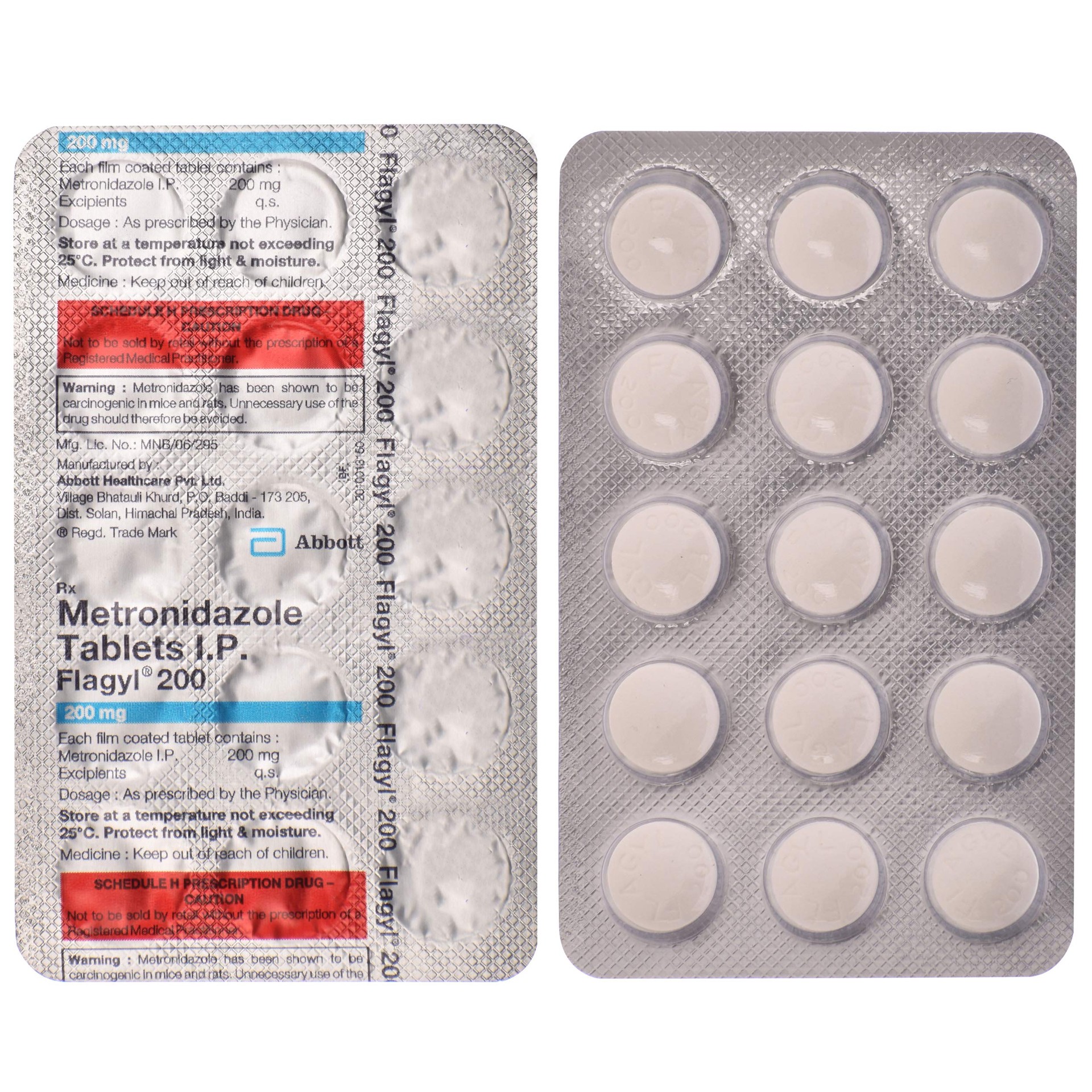
Antibacterial medications, commonly known as antibiotics, are prescription drugs specifically designed to combat bacterial infections by either killing bacteria or inhibiting their growth and reproduction. These essential medications work through various mechanisms within the body, targeting specific bacterial processes such as cell wall synthesis, protein production, or DNA replication to effectively eliminate harmful bacteria while preserving the body's beneficial microorganisms.
Antibacterial drugs are classified into two primary categories based on their mechanism of action. Bacteriostatic antibiotics work by slowing down or stopping bacterial growth, allowing the body's immune system to eliminate the infection naturally. In contrast, bactericidal antibiotics directly kill bacteria by disrupting essential cellular functions, providing faster resolution of severe infections.
In Canada, healthcare providers commonly prescribe antibacterial medications to treat a wide range of bacterial infections, including:
The importance of proper antibiotic use cannot be overstated, as inappropriate usage contributes to the growing concern of antibiotic resistance. This occurs when bacteria develop the ability to survive exposure to antibiotics, making infections harder to treat. Canadian health authorities emphasize taking antibiotics exactly as prescribed, completing the full course even when symptoms improve, and never sharing antibiotics with others.
It's crucial to consult qualified healthcare providers for proper diagnosis and treatment of suspected bacterial infections. Only licensed physicians and nurse practitioners can determine whether an infection is bacterial rather than viral, prescribe the appropriate antibiotic, and establish the correct dosage and duration of treatment for optimal patient outcomes.
Penicillins represent one of the most widely prescribed antibiotic classes in Canada, known for their effectiveness against gram-positive bacteria and certain gram-negative organisms. Amoxicillin is frequently prescribed for respiratory tract infections, ear infections, and dental abscesses due to its excellent oral absorption and broad spectrum of activity. Ampicillin is commonly used for urinary tract infections and gastrointestinal infections, while Penicillin V remains the preferred treatment for streptococcal throat infections and certain skin infections.
Cephalosporins are beta-lactam antibiotics that offer excellent activity against both gram-positive and gram-negative bacteria. Cephalexin, a first-generation cephalosporin, is widely prescribed for skin and soft tissue infections, as well as uncomplicated urinary tract infections. Cefuroxime, a second-generation option, provides enhanced coverage for respiratory tract infections and Lyme disease. Ceftriaxone, a third-generation cephalosporin, is typically reserved for serious infections requiring hospitalization due to its broad spectrum and excellent tissue penetration.
Macrolide antibiotics are particularly valuable for patients with penicillin allergies and are highly effective against atypical bacteria. Azithromycin is commonly prescribed for respiratory tract infections, sexually transmitted infections, and certain skin conditions. Clarithromycin is frequently used as part of combination therapy for Helicobacter pylori eradication and respiratory infections. Erythromycin, while less commonly prescribed due to gastrointestinal side effects, remains useful for specific infections and as an alternative in penicillin-allergic patients.
Fluoroquinolones are broad-spectrum antibiotics reserved for specific bacterial infections due to their potential for serious side effects. Ciprofloxacin is primarily used for complicated urinary tract infections and certain gastrointestinal infections. Levofloxacin offers excellent activity against respiratory pathogens and is used for community-acquired pneumonia. Moxifloxacin provides enhanced coverage against gram-positive organisms and is typically reserved for complicated skin infections and certain respiratory tract infections when other antibiotics are inappropriate.
In Canada, most oral and injectable antibiotics require a prescription from a licensed healthcare provider. These medications are regulated by Health Canada and must be dispensed by qualified pharmacists. Prescription antibiotics are essential for treating serious bacterial infections and require proper medical supervision to ensure appropriate dosing, monitor for side effects, and prevent antibiotic resistance.
Several antibacterial products are available without prescription for minor infections and prevention. Topical antibacterial creams and ointments can effectively treat small cuts, scrapes, and minor skin infections. Popular first aid antibacterial products include:
Antibacterial soaps and alcohol-based hand sanitizers are widely available for infection prevention and general hygiene. Health Canada regulates all antibacterial products sold in Canada, ensuring they meet safety and efficacy standards. Always read product labels carefully and consult with your pharmacist if you're unsure about appropriate use or have concerns about interactions with other medications.
Bacterial respiratory infections are among the most commonly treated conditions in Canadian healthcare. Pneumonia, bacterial bronchitis, and sinusitis often require prescription antibiotics when caused by bacterial pathogens. These infections can range from mild to severe and may require different antibiotic approaches depending on the specific bacteria involved and patient factors.
Urinary tract infections (UTIs) and kidney infections are frequently treated with antibacterial medications. Women are particularly susceptible to UTIs, and prompt treatment is essential to prevent complications. Kidney infections require immediate medical attention and typically need stronger antibiotic therapy than simple bladder infections.
Bacterial skin infections range from minor superficial infections treatable with topical antibacterials to serious deep tissue infections requiring systemic antibiotics. Common conditions include:
Gastrointestinal bacterial infections, such as those caused by certain strains of E. coli or Salmonella, may require antibiotic treatment in severe cases. Sexually transmitted bacterial infections, including chlamydia and gonorrhea, require specific antibiotic regimens. Additionally, antibacterial medications play a crucial role in preventing post-surgical infections, particularly in high-risk procedures.
It is essential to take antibacterial medications exactly as prescribed by your healthcare provider and complete the entire course, even if you feel better before finishing all the medication. Stopping treatment early can lead to antibiotic resistance and allow the infection to return stronger. Take your medication at evenly spaced intervals throughout the day to maintain consistent levels in your bloodstream.
While most people tolerate antibiotics well, some may experience side effects including nausea, diarrhea, stomach upset, or vaginal yeast infections. Serious allergic reactions, though rare, can include:
Seek immediate medical attention if you experience any signs of a severe allergic reaction.
Pregnant and nursing women require careful antibiotic selection, as some medications can affect fetal development or pass through breast milk. Pediatric and elderly patients often need adjusted dosing based on weight, kidney function, and other health factors. Store antibiotics according to package instructions—some require refrigeration while others should be kept at room temperature, away from moisture and direct sunlight.
Canadian pharmacists play a crucial role in ensuring safe antibiotic use by verifying prescriptions, providing counselling on proper administration, and monitoring for potential drug interactions. They can answer questions about side effects and help you understand your treatment plan. Some provinces also allow pharmacists to prescribe antibiotics for specific conditions like urinary tract infections.
Most provincial health plans cover prescription antibiotics when medically necessary, though coverage varies by province and specific medication. Generic antibiotics are typically preferred and offer the same effectiveness as brand-name versions at lower costs. Your pharmacist can discuss available options and help coordinate with your insurance plan.
Licensed Canadian online pharmacies offer convenient access to antibiotics with valid prescriptions, following strict regulatory guidelines. When travelling, carry antibiotics in original packaging with prescription labels, and consider bringing a letter from your doctor for international travel. For emergency antibiotic access, visit walk-in clinics or emergency departments where healthcare providers can assess your condition and prescribe appropriate treatment.