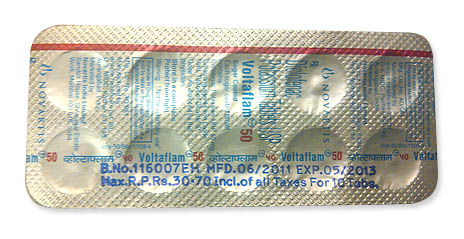
Analgesics are medications specifically designed to reduce or eliminate pain without causing loss of consciousness. These essential pharmaceuticals work by interrupting pain signals before they reach the brain or by altering how the brain interprets these signals. Understanding the difference between acute and chronic pain is crucial for effective treatment – acute pain typically results from injury or illness and lasts less than three months, while chronic pain persists beyond normal healing time.
Pain medications target specific pathways in the nervous system, including blocking prostaglandin production, inhibiting nerve signal transmission, or modulating pain perception in the brain. Proper pain management is vital for maintaining quality of life, promoting healing, and preventing the development of chronic pain conditions. Canadians should consider over-the-counter options for mild to moderate pain, while prescription analgesics are reserved for severe pain or when OTC medications prove insufficient. Always consult with a healthcare provider or pharmacist to determine the most appropriate pain relief strategy for your specific condition.
Acetaminophen remains Canada's most widely used pain reliever, effectively treating headaches, fever, and mild to moderate pain. Unlike other analgesics, it works primarily in the brain and spinal cord, making it gentler on the stomach. Adults should not exceed 4,000mg in 24 hours, with regular doses spaced 4-6 hours apart. Special attention to liver health is essential, as excessive use or combining with alcohol can cause serious liver damage.
Acetylsalicylic acid (ASA) offers unique anti-inflammatory properties alongside pain relief. Many Canadians use low-dose ASA for cardiovascular protection, as it helps prevent blood clots. However, ASA can irritate the stomach lining and increase bleeding risk, making it unsuitable for some individuals.
As a nonsteroidal anti-inflammatory drug (NSAID), ibuprofen excels at reducing both pain and inflammation. It's particularly effective for:
Long-term use requires monitoring kidney function and stomach health, especially in older adults.
Topical analgesics provide targeted relief directly at the source of pain, making them an excellent choice for localized discomfort. These products work by penetrating the skin to deliver active ingredients to affected tissues while minimizing systemic absorption.
Topical NSAIDs like Voltaren Gel and Aspercreme contain anti-inflammatory ingredients that reduce swelling and pain in muscles and joints. Menthol and camphor-based products such as Bengay and Icy Hot provide cooling or warming sensations that help distract from pain signals. For chronic nerve pain, capsaicin creams offer long-term relief by depleting substance P, while lidocaine patches and gels provide temporary numbing for acute discomfort.
The primary benefit of topical treatments is their ability to deliver medication directly where needed, reducing the risk of stomach irritation or other systemic side effects. For optimal results, clean the affected area before application, use only the recommended amount, and avoid contact with eyes or broken skin. Always wash hands thoroughly after use.
When over-the-counter options aren't sufficient, prescription pain medications offer stronger, more targeted relief for various pain conditions. These medications require careful monitoring and should only be used under professional healthcare supervision.
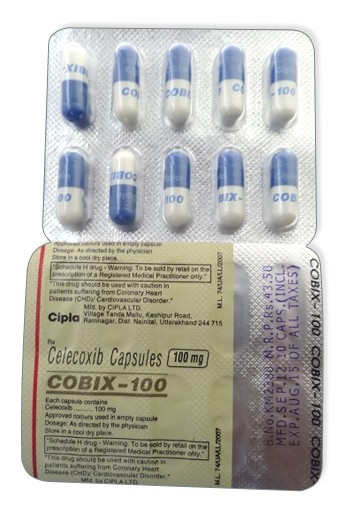
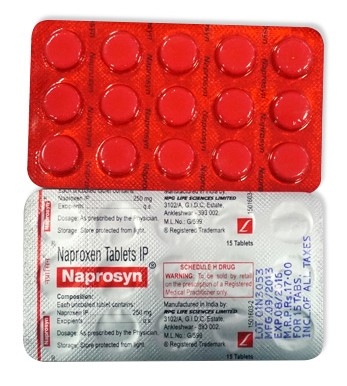
Prescription-strength NSAIDs like naproxen and celecoxib provide enhanced anti-inflammatory effects for conditions such as arthritis or severe injuries. Muscle relaxants help manage spasticity and muscle spasms associated with specific neurological or musculoskeletal conditions. For nerve-related pain, medications like gabapentin and pregabalin specifically target neuropathic pathways to provide relief from chronic conditions like diabetic neuropathy or fibromyalgia.
Combination medications may include multiple active ingredients to address different aspects of pain simultaneously. Healthcare providers typically prescribe these stronger medications when:
Working closely with your healthcare provider ensures proper medication selection, dosing, and monitoring. Regular follow-up appointments help track effectiveness, adjust dosages, and monitor for potential side effects or drug interactions.
Children and seniors require special attention when using analgesics. For children, always use pediatric formulations and follow weight-based dosing guidelines. Never give ASA (aspirin) to children under 18 due to the risk of Reye's syndrome. Seniors may need reduced doses as their bodies process medications more slowly, and they're at higher risk for side effects, particularly with NSAIDs.
Analgesics can interact with other medications and affect existing health conditions. NSAIDs may increase bleeding risk when taken with blood thinners and can worsen high blood pressure. Acetaminophen requires careful monitoring if you're taking other medications containing it to prevent accidental overdose.
Always respect maximum daily dosages: acetaminophen (4000mg), ibuprofen (1200mg for OTC use), and consult your pharmacist or doctor if pain persists beyond recommended treatment duration.
Selecting the appropriate analgesic depends on your pain type and personal health profile. For headaches and general aches, acetaminophen provides effective relief with fewer stomach issues. Choose ibuprofen or naproxen for inflammatory conditions like muscle strains or arthritis. ASA works well for headaches but avoid if you have stomach sensitivity.
Always read medication labels carefully to understand active ingredients, especially in combination products. Generic medications contain the same active ingredients as brand names but typically cost less. Consider your existing health conditions—those with heart disease, kidney problems, or stomach ulcers should consult healthcare providers before selecting NSAIDs.
Store medications in cool, dry places away from children, and check expiration dates regularly. Build a basic home pain relief kit with both acetaminophen and an NSAID option. When pain is severe, persistent, or accompanied by other concerning symptoms, seek professional medical advice rather than continuing self-treatment.