Alcohol use disorder (AUD) is a medical condition characterised by an impaired ability to stop or control alcohol use despite adverse social, occupational, or health consequences. It encompasses what was previously referred to as alcohol abuse and alcohol dependence, representing a chronic brain disorder that affects millions of Canadians.
Common indicators of alcohol use disorder include drinking more or longer than intended, unsuccessful attempts to cut down, spending significant time obtaining or recovering from alcohol use, experiencing cravings, and continuing to drink despite negative consequences. Physical signs may include tremors, sweating, nausea, and sleep disturbances when not drinking.
Physical dependence develops when the body adapts to regular alcohol consumption, leading to withdrawal symptoms when alcohol is absent. Psychological dependence involves emotional and mental reliance on alcohol to cope with daily life, stress, or emotional challenges. Both forms often occur simultaneously and require comprehensive treatment approaches.
Professional help should be sought when alcohol use interferes with daily responsibilities, relationships suffer, or when attempts to reduce consumption are unsuccessful.
Health Canada has approved several medications to assist in alcohol use disorder treatment, each working through different mechanisms to support recovery. These medications are most effective when combined with counselling and behavioural therapies as part of a comprehensive treatment plan.
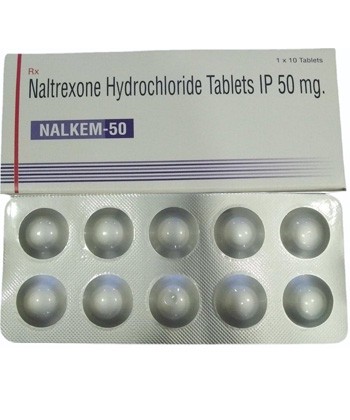
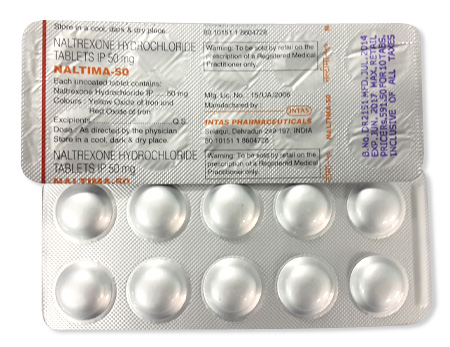
Naltrexone is an opioid receptor antagonist that reduces alcohol cravings by blocking the pleasurable effects of drinking. Available in oral and extended-release injectable forms, it helps prevent relapse by diminishing the rewarding sensation associated with alcohol consumption. Clinical studies demonstrate significant reduction in heavy drinking days and overall alcohol consumption.
Acamprosate helps maintain abstinence by stabilising brain chemistry disrupted by chronic alcohol use. It reduces withdrawal symptoms and cravings by modulating glutamate and GABA neurotransmitter systems. This medication is particularly effective for individuals who have already achieved initial sobriety and wish to maintain long-term abstinence.
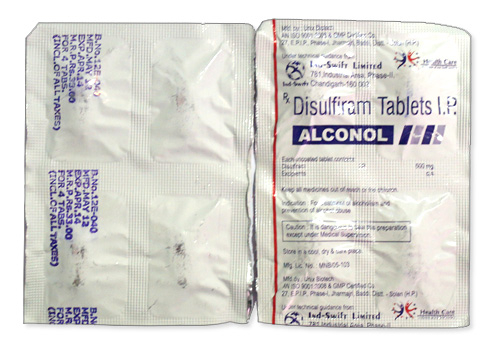
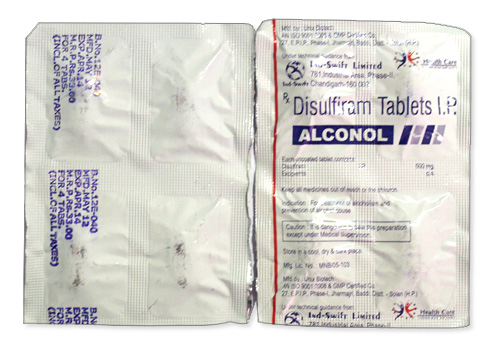
Disulfiram creates an unpleasant physical reaction when alcohol is consumed, including nausea, vomiting, headache, and flushing. By inhibiting acetaldehyde dehydrogenase, it causes acetaldehyde accumulation, making drinking extremely uncomfortable. This medication serves as a deterrent and requires strict adherence and medical supervision.
These medications show varying effectiveness rates, with naltrexone and acamprosate demonstrating 20-30% improvement in abstinence rates compared to placebo. All require prescription from a qualified healthcare provider, regular monitoring, and integration with psychosocial interventions for optimal outcomes.
Recovery from alcohol dependence often involves addressing nutritional deficiencies and supporting overall health through carefully selected over-the-counter supplements. Canadian pharmacies offer several evidence-based options to support individuals during their recovery journey.
Thiamine (Vitamin B1) supplements are crucial for individuals recovering from alcohol dependence, as chronic alcohol use significantly depletes this essential vitamin. Deficiency can lead to serious neurological complications, making supplementation a priority. Multivitamins specifically formulated for recovery provide comprehensive nutritional support, addressing common deficiencies in vitamins A, C, D, E, and various B-complex vitamins.
Milk thistle supplements may support liver health during recovery, though individuals should consult healthcare providers before use. Magnesium supplements can help manage withdrawal symptoms such as muscle cramps, anxiety, and sleep disturbances. For those experiencing insomnia during early recovery, appropriate sleep aids may provide temporary relief when used under professional guidance.
Alcohol withdrawal is a complex medical process that requires careful monitoring and support. Understanding the timeline and potential complications helps individuals and families prepare for the detoxification process safely.
Alcohol withdrawal typically begins 6-24 hours after the last drink and can persist for several days to weeks. Early symptoms include tremors, sweating, anxiety, nausea, vomiting, and headaches. These symptoms generally peak within 24-72 hours before gradually subsiding. Sleep disturbances, mood changes, and cognitive difficulties may persist for weeks or months during post-acute withdrawal.
Supportive care focuses on maintaining hydration, electrolyte balance, and symptom relief. Oral rehydration solutions and electrolyte supplements help address fluid and mineral imbalances common during withdrawal. Anti-nausea medications, when appropriate, can provide relief from gastrointestinal symptoms.
Delirium tremens (DTs) represents a medical emergency occurring in 3-5% of individuals undergoing alcohol withdrawal. Symptoms include severe confusion, hallucinations, high fever, and seizures. This condition requires immediate medical intervention and hospitalization.
Medical supervision ensures access to prescription medications that can safely manage withdrawal symptoms and prevent complications. Canadian healthcare providers can prescribe benzodiazepines, anticonvulsants, and other medications when clinically indicated for safe detoxification.
Canada offers comprehensive residential treatment facilities that provide 24-hour medical supervision and intensive therapy programs. These programs typically last 30 to 90 days and include medically supervised detoxification, individual and group counselling, educational workshops, and relapse prevention planning. Provincial health systems across Canada support various inpatient facilities, ensuring accessibility for individuals requiring intensive addiction treatment.
Outpatient programs allow individuals to maintain their daily responsibilities while receiving treatment. These services include regular therapy sessions, group meetings, educational programs, and medical monitoring. Many community health centres across Canadian provinces offer sliding scale fees and accept provincial health coverage, making treatment accessible to diverse populations.
AA meetings are widely available throughout Canada, offering peer support and a structured approach to recovery. The 12-step program provides a spiritual and practical framework for achieving and maintaining sobriety. Meetings are available in multiple languages and formats, including online options, ensuring broad accessibility across urban and rural Canadian communities.
CBT is an evidence-based treatment method that helps individuals identify and change negative thought patterns and behaviours related to alcohol use. Canadian healthcare providers often integrate CBT into treatment plans, teaching practical skills for managing cravings, stress, and high-risk situations that may lead to drinking.
Alcoholism affects entire family systems, making family involvement crucial for successful recovery. Canadian treatment programs often include family counselling sessions, educational workshops for loved ones, and support groups specifically designed for family members. These services help rebuild trust, improve communication, and create supportive home environments.
Most Canadian provinces provide coverage for addiction treatment services through their respective health insurance plans. Coverage typically includes physician consultations, hospital-based detoxification, some counselling services, and prescribed medications for alcohol dependence. Coverage specifics vary by province, so it's important to verify benefits with your provincial health authority.
Successful long-term recovery requires ongoing commitment and practical strategies. Daily practices such as maintaining regular sleep schedules, engaging in physical activity, attending support meetings, and practising mindfulness can significantly support sobriety maintenance. Many individuals benefit from developing structured daily routines that promote physical and mental wellness while avoiding high-risk situations.
Understanding personal triggers is essential for preventing relapse. Common triggers include stress, social situations involving alcohol, emotional distress, and environmental cues. Recovery programs teach individuals to recognise these triggers early and implement coping strategies such as:
Replacing alcohol use with healthy coping strategies is fundamental to recovery. Effective alternatives include regular exercise, meditation, creative pursuits, volunteer work, and developing new hobbies. Learning stress management techniques, communication skills, and emotional regulation helps individuals navigate life's challenges without turning to alcohol.
Ongoing participation in support groups provides crucial peer support and accountability. Whether through AA, SMART Recovery, or other groups, regular attendance helps individuals maintain motivation, share experiences, and receive guidance during challenging periods. Many groups across Canada offer both in-person and virtual meeting options for convenience and accessibility.
Continued medical supervision is important for monitoring physical health improvements and addressing any ongoing medical concerns related to previous alcohol use. Regular check-ups allow healthcare providers to adjust medications, monitor liver function, assess mental health, and provide ongoing medical support for recovery efforts.
Establishing accountability through sponsors, family members, friends, or professional counsellors helps maintain commitment to recovery goals. Regular check-ins, honest communication about challenges, and transparent discussion of progress create external motivation and support during difficult periods.
Long-term sobriety often requires significant lifestyle modifications. This includes developing new social circles that support sobriety, finding alcohol-free recreational activities, establishing healthy work-life balance, and addressing underlying mental health concerns. Many individuals find that recovery opens opportunities for personal growth, improved relationships, and renewed focus on life goals and aspirations.