Healthy weight loss involves losing weight at a sustainable rate of 0.5 to 1 kilogram per week through a combination of proper nutrition, physical activity, and when appropriate, medical intervention. This approach helps preserve muscle mass while reducing fat, leading to long-term health benefits including improved cardiovascular health, better blood sugar control, and reduced risk of chronic diseases.
Weight loss medications work through various mechanisms in the body to support your weight management journey. Some medications block the absorption of dietary fats, while others suppress appetite by affecting neurotransmitters in the brain or slow gastric emptying to increase feelings of fullness. These medications are designed to complement, not replace, healthy lifestyle changes.
The foundation of weight loss lies in creating a caloric deficit, where you consume fewer calories than your body burns. Your metabolism—the rate at which your body burns calories—plays a crucial role in this process. Factors such as age, gender, muscle mass, and genetics influence your metabolic rate, which is why weight loss experiences vary between individuals.
Safety considerations are paramount when pursuing weight loss. It's essential to consult with healthcare providers before starting any weight loss medication, especially if you have underlying health conditions, take other medications, or have a history of eating disorders. Your doctor can assess potential interactions and monitor your progress.
Setting realistic weight loss goals is crucial for success. Aim for gradual, sustainable changes rather than dramatic quick fixes. A realistic goal might be losing 5-10% of your current body weight over six months, which can significantly improve your health and well-being while being achievable and maintainable.
Health Canada has approved several prescription weight loss medications for eligible patients who meet specific criteria. These medications are available through Canadian pharmacies with a valid prescription from a healthcare provider.
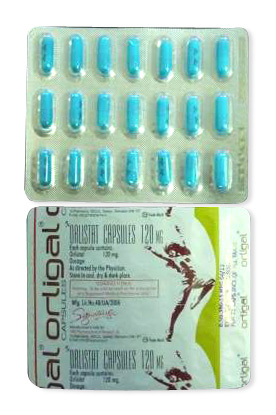
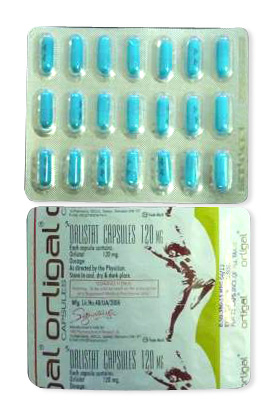
Orlistat works as a fat absorption blocker by inhibiting pancreatic lipase enzymes, preventing approximately 30% of dietary fat from being absorbed by the intestines. This medication is taken three times daily with fat-containing meals and can lead to a 5-10% reduction in body weight when combined with a reduced-calorie diet.
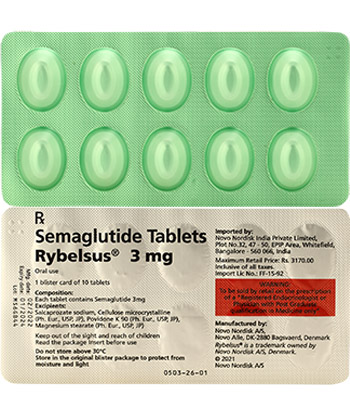
Liraglutide is a GLP-1 receptor agonist administered as a daily injection. It mimics hormones that regulate blood sugar and slow gastric emptying, leading to increased satiety and reduced appetite. Clinical studies show patients can achieve 5-10% weight loss over one year when combined with lifestyle modifications.
This combination medication works as an appetite suppressant by targeting the brain's reward and appetite control centres. Naltrexone blocks opioid receptors while bupropion affects dopamine and norepinephrine pathways, together reducing food cravings and increasing feelings of fullness.
These medications are prescribed and monitored under strict medical supervision. Regular follow-up appointments are necessary to assess effectiveness, monitor side effects, and adjust treatment plans as needed.
Eligibility criteria typically include:
Expected results vary, but most patients see initial weight loss within 12-16 weeks of starting treatment, with maximum benefits typically achieved within one year of consistent use combined with lifestyle modifications.
Canadian pharmacies offer a variety of over-the-counter weight management solutions to support your health journey. These products provide accessible options for individuals seeking additional support alongside proper diet and exercise.
Available as a reduced-strength version of the prescription medication, Orlistat 60mg helps block the absorption of dietary fats. This Health Canada-approved option can be an effective tool when combined with a reduced-calorie, low-fat diet and regular physical activity.
Many Canadians turn to natural health products featuring ingredients like green tea extract, garcinia cambogia, and conjugated linoleic acid (CLA). These supplements are regulated by Health Canada and display Natural Product Numbers (NPN) to ensure quality and safety standards.
Convenient meal replacement shakes and bars provide portion-controlled nutrition while supporting calorie management. Appetite suppressant options, including fiber supplements, help promote feelings of fullness and satiety throughout the day.
Key differences between OTC and prescription options include:
When choosing the right product, consider your specific goals, dietary restrictions, and any existing health conditions. Consult with your pharmacist to ensure compatibility with current medications and to receive personalized recommendations based on your individual needs.
Modern weight management extends beyond traditional supplements to include innovative tools and products that support healthy lifestyle changes. These supportive aids help track progress, maintain consistency, and build sustainable habits for long-term success.
Digital scales with body composition analysis provide comprehensive insights beyond basic weight tracking, measuring body fat percentage, muscle mass, and hydration levels. Portion control plates and measuring tools help establish proper serving sizes and develop mindful eating habits that support weight management goals.
Fitness trackers and activity monitors encourage daily movement by tracking steps, calories burned, and exercise intensity. These devices sync with smartphone apps to provide comprehensive health data and motivation through goal-setting features.
Popular tracking tools include:
Comprehensive multivitamins help fill nutritional gaps during calorie restriction, ensuring your body receives essential vitamins and minerals. Hydration aids and electrolyte products support proper fluid balance, especially important during increased physical activity.
These tools work best when integrated into a holistic approach that includes professional guidance from healthcare providers and registered dietitians available through many Canadian pharmacy locations.
An effective weight loss strategy requires a coordinated approach that combines prescribed medications with sustainable lifestyle changes. Successful weight management isn't achieved through medication alone—it requires the integration of multiple elements working together to support your health goals.
Weight loss medications can help reduce appetite or alter metabolism, but they work best when paired with thoughtful dietary modifications and regular physical activity. A balanced, calorie-aware diet should emphasize whole foods, appropriate portion sizes, and a sustainable calorie deficit. Combine this with a mix of aerobic exercise and resistance training to preserve muscle mass while losing weight.
Collaborate with qualified healthcare professionals to tailor your treatment plan to your medical history, preferences, and individual goals. Your team should include your primary care provider, and may also involve a registered dietitian, exercise specialist, or pharmacist who can provide specialized guidance throughout your weight loss journey.
Track your progress using objective measures such as weight, waist circumference, and body composition when available. Follow your healthcare provider's recommendations for periodic laboratory tests. Keep a record of any symptoms or side effects so adjustments can be made promptly—this might mean changing dosages, switching medications, altering your macronutrient balance, or adding behavioural supports like counselling or structured programs.
Set realistic expectations for your weight loss journey. Steady losses of about 0.5–1 kg per week are typical and sustainable. Plan for long-term maintenance by building habits you can continue indefinitely, such as regular physical activity, mindful eating practices, and routine follow-up appointments. Be prepared to reassess your approach if weight loss plateaus for several months, side effects become problematic, or if your health status or circumstances change.
Understanding the safety profile of weight loss medications is crucial for achieving your goals while protecting your health. Always discuss your complete medical history and current medications with your healthcare provider before beginning any weight loss treatment.
Weight loss medications can interact with other treatments you may be taking. Some weight-loss agents may interact with antidepressants, diabetes medications, blood thinners, or birth control. Certain health conditions—including pregnancy, uncontrolled hypertension, recent cardiovascular events, or specific psychiatric disorders—may make particular products unsuitable for you.
Be aware of potential side effects that may occur with weight loss medications. Common reactions include gastrointestinal upset, nausea, constipation or diarrhea, dizziness, increased heart rate, and mood changes. Report any persistent or severe symptoms to your healthcare provider promptly so appropriate adjustments can be made.
Certain groups should avoid weight loss medications or use them with extra caution:
Medical supervision is essential throughout your weight loss journey, from starting medications to making adjustments or stopping treatment. Your healthcare provider may recommend regular laboratory monitoring to check liver and kidney function, blood glucose, and electrolytes.
Watch for emergency warning signs that require urgent medical care, including chest pain, shortness of breath, severe abdominal pain, signs of a serious allergic reaction, or new suicidal thoughts. Seek immediate medical attention if any of these symptoms occur.
Focus on gradual, steady weight loss to reduce health risks such as gallstones, electrolyte imbalances, nutrient deficiencies, and muscle loss. Rapid weight loss approaches should only be undertaken under direct medical supervision to ensure your safety throughout the process.