Sleep disorders affect millions of Canadians, with insomnia being the most prevalent condition. Other common sleep issues include sleep apnea, restless leg syndrome, and circadian rhythm disorders often triggered by shift work or seasonal changes. Our northern climate and extended winter darkness can particularly impact sleep patterns, making quality rest challenging for many.
You may benefit from sleeping aids if you experience difficulty falling asleep for more than 30 minutes, frequent night wakings, early morning awakenings, or feeling unrefreshed despite adequate sleep time. Persistent fatigue, irritability, difficulty concentrating, or relying on caffeine throughout the day are also indicators that your sleep quality needs attention.
Consider consulting healthcare professionals when sleep problems persist for more than two weeks, significantly impact your daily functioning, or occur alongside other health concerns. Your family doctor or pharmacist can help determine whether sleeping aids are appropriate for your situation and rule out underlying medical conditions.
Poor sleep profoundly affects your physical and mental health, weakening immune function, impairing memory and decision-making, and increasing risks of accidents, depression, and chronic diseases like diabetes and heart disease. Quality sleep is essential for maintaining productivity, relationships, and overall well-being in your daily Canadian lifestyle.
Canadian pharmacies offer several effective over-the-counter sleep aids. Diphenhydramine-based products like Nytol and Sleep-Eze are widely available and work by blocking histamine receptors in the brain that promote wakefulness. Doxylamine succinate options, including Unisom SleepTabs, provide similar antihistamine effects with potentially longer-lasting benefits.
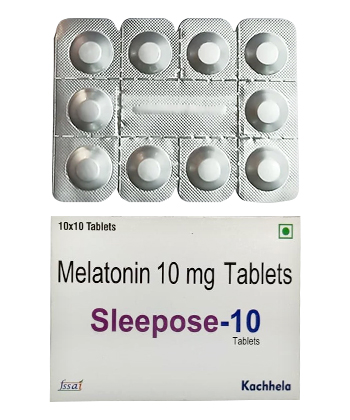
Antihistamine-based sleep aids work by crossing the blood-brain barrier and binding to histamine receptors, causing drowsiness as a side effect. Melatonin supplements help regulate your body's natural sleep-wake cycle by mimicking the hormone your pineal gland produces. Natural alternatives often promote relaxation through various mechanisms, from muscle relaxation to anxiety reduction.
Proper timing is crucial for effectiveness. Take antihistamine-based aids 30-60 minutes before bedtime, while melatonin works best when taken 1-3 hours before your desired sleep time. Start with the lowest recommended dose and avoid exceeding suggested amounts, as higher doses don't necessarily improve effectiveness and may cause next-day grogginess.
Many Canadians are turning to natural sleep aids as a gentler alternative to pharmaceutical options. These plant-based remedies have been used for centuries to promote relaxation and improve sleep quality without the risk of dependency or severe side effects.
While natural sleep solutions are generally safer than prescription medications, they may take longer to show effects and their potency can vary between products. It's important to choose high-quality supplements from reputable Canadian retailers and consult with a healthcare provider, especially if you're taking other medications or have underlying health conditions.
When natural remedies and lifestyle changes aren't sufficient, prescription sleep medications may be necessary for managing chronic insomnia or severe sleep disorders. Health Canada has approved several effective options that require a doctor's prescription and careful monitoring.
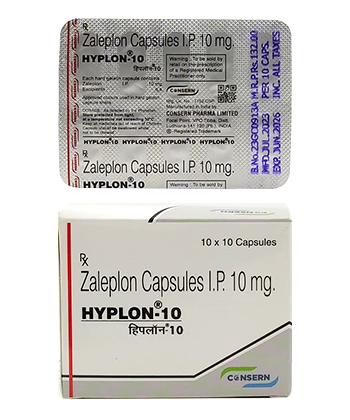
Zopiclone (Imovane) is one of the most frequently prescribed sleep medications in Canada for short-term insomnia treatment. It helps patients fall asleep faster and maintain sleep throughout the night, typically prescribed for 7-10 days to avoid dependency.
Zolpidem tartrate is another effective option that works quickly to induce sleep while having a shorter half-life, reducing morning grogginess. Trazodone, originally an antidepressant, is often prescribed off-label for sleep disorders, particularly when depression or anxiety contributes to insomnia.
Working closely with your healthcare provider is essential for proper diagnosis, appropriate medication selection, and monitoring for side effects. Your doctor will consider your medical history, current medications, and specific sleep patterns to determine the most suitable treatment approach for your individual needs.
Proper use of sleeping aids is essential for safety and effectiveness. Adults should follow package directions carefully, with most over-the-counter sleep aids recommended for short-term use only. Seniors require special attention, often needing reduced dosages due to slower metabolism and increased sensitivity to medications.
Sleep aids may cause drowsiness the following day, dizziness, or headaches. More serious concerns include dependency risks with prolonged use and potential interactions with other medications, particularly blood thinners, antidepressants, and blood pressure medications. Always consult your pharmacist or healthcare provider before combining sleep aids with other treatments.
Special considerations for seniors include increased fall risk due to prolonged drowsiness, potential cognitive effects, and higher likelihood of drug interactions. Seniors should start with the lowest effective dose and avoid long-term use without medical supervision. Pregnant and nursing women should consult healthcare providers before using any sleep aids.
Creating healthy sleep habits often reduces the need for sleep aids and enhances their effectiveness when used. Your bedroom environment plays a crucial role in sleep quality—maintain temperatures between 15-19°C, minimize noise and light, and invest in comfortable bedding.
Develop a relaxing pre-sleep routine starting 30-60 minutes before bedtime. This might include reading, gentle stretching, or meditation. Consistency is key—try to sleep and wake at the same times daily, even on weekends.
When combining sleep aids with these healthy habits, you'll often achieve better results with lower doses and reduced dependency risk. Consider sleep aids as a temporary bridge while establishing these long-term healthy sleep practices.