Nicotine addiction occurs when your brain becomes dependent on nicotine to function normally. When you smoke, nicotine reaches your brain within seconds, triggering the release of dopamine and other neurotransmitters that create feelings of pleasure and relaxation. Over time, your brain adapts to regular nicotine exposure, requiring increasing amounts to achieve the same effects. This chemical dependency makes quitting smoking particularly challenging, as your brain craves nicotine to maintain its altered chemical balance.
Smoking creates both physical and psychological dependencies that work together to maintain the addiction. Physical dependence involves your body's chemical need for nicotine, causing withdrawal symptoms when levels drop. Psychological dependence includes emotional and behavioural patterns, such as smoking during stress, social situations, or daily routines like coffee breaks. Breaking free from smoking requires addressing both aspects, as psychological triggers can persist long after physical withdrawal symptoms subside.
When quitting smoking, you may experience various withdrawal symptoms as your body adjusts to life without nicotine. These symptoms typically include irritability, anxiety, difficulty concentrating, increased appetite, sleep disturbances, and intense cravings. Some people also experience headaches, fatigue, and mood swings. While uncomfortable, these symptoms are temporary signs that your body is healing and readjusting to its natural state.
The quitting timeline varies for each individual, but generally follows a predictable pattern. Within 24 hours, withdrawal symptoms begin and peak around day three. Most physical symptoms subside within two weeks, though psychological cravings may persist for months. The first three days are typically the most challenging period.
Your body begins healing immediately after quitting smoking. Within 20 minutes, your heart rate and blood pressure drop. After 24 hours, carbon monoxide levels normalize. Within weeks, circulation improves and lung function increases. After one year, your risk of heart disease is cut in half, and after ten years, your lung cancer risk drops significantly compared to continued smoking.
Nicotine Replacement Therapy (NRT) provides controlled doses of nicotine without the harmful chemicals found in cigarettes. This approach helps manage withdrawal symptoms while gradually reducing your nicotine dependence, making the quitting process more manageable and increasing success rates.
Nicotine patches are available in Canada in various strengths, typically ranging from 7mg to 21mg for 24-hour patches. Step-down programs usually start with higher doses for heavy smokers and gradually reduce over 8-12 weeks. Apply patches to clean, dry, hairless skin on your upper body, rotating locations daily. Remove the patch before applying a new one, and avoid wearing patches while sleeping if you experience vivid dreams or sleep disturbances.
Nicotine gum is available in 2mg and 4mg strengths, with flavours including original, mint, and fruit varieties. Use the "chew and park" method: chew slowly until you taste nicotine or feel tingling, then park the gum between your cheek and gum. Resume chewing when the taste fades. Each piece provides nicotine for about 30 minutes. Avoid eating or drinking 15 minutes before and during use.
Nicotine lozenges come in 2mg and 4mg strengths with various flavours. Allow the lozenge to dissolve slowly in your mouth without chewing or swallowing. Occasionally move it from side to side, and avoid eating or drinking during use for optimal nicotine absorption.
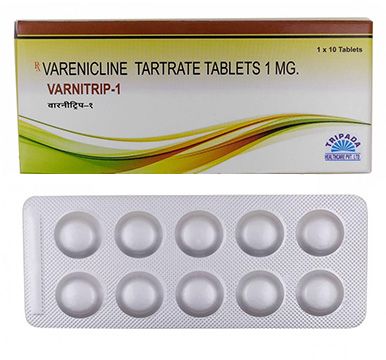
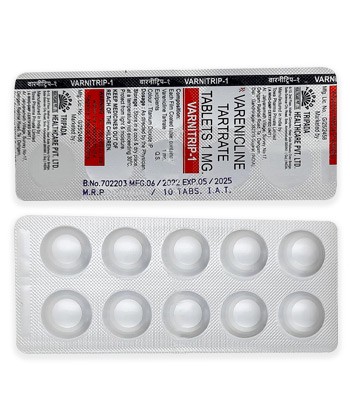
Champix works by binding to nicotine receptors in the brain, reducing cravings and withdrawal symptoms while blocking nicotine's rewarding effects. The standard dosing schedule begins with 0.5mg daily for three days, increasing to 0.5mg twice daily for four days, then 1mg twice daily for the remainder of the 12-week treatment course. Patients typically set a quit date within the first two weeks of starting Champix. This gradual increase helps minimize potential side effects while building therapeutic levels in your system.
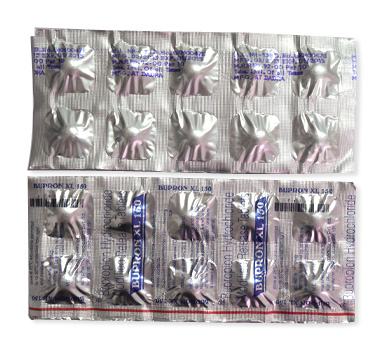
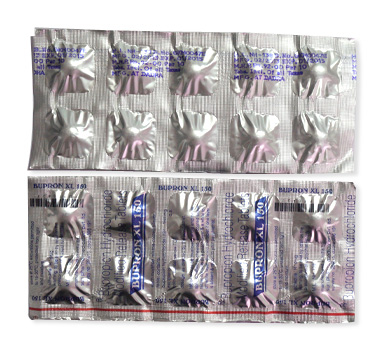
Zyban contains bupropion, an atypical antidepressant that helps reduce nicotine cravings and withdrawal symptoms by affecting dopamine and norepinephrine levels in the brain. Originally developed for depression, bupropion was found to significantly reduce smoking urges. The medication is taken as 150mg daily for three days, then twice daily for 7-12 weeks. Patients should set their quit date during the second week of treatment, allowing the medication to reach effective levels.
Prescription smoking cessation medications require a consultation with a healthcare provider or pharmacist to assess suitability. Candidates must be committed to quitting smoking and understand the medication regimen. Medical history, current medications, and potential contraindications are reviewed during the consultation to ensure safe and effective treatment.
Common side effects of Champix include nausea, vivid dreams, and sleep disturbances, while Zyban may cause dry mouth, insomnia, and dizziness. Both medications carry warnings about mood changes and should be avoided in patients with seizure disorders, eating disorders, or certain psychiatric conditions. Pregnant or breastfeeding women should discuss alternative options with their healthcare provider before starting these medications.
Most provincial health plans and private insurance providers cover prescription smoking cessation medications. Coverage varies by province, with some requiring prior authorization or limiting treatment duration.
Nicotine inhalers provide controlled nicotine delivery while satisfying the hand-to-mouth habit associated with smoking. These devices deliver nicotine vapour through oral inhalation, helping manage cravings and withdrawal symptoms. The inhaler's familiar action helps bridge the behavioural aspects of quitting while providing therapeutic nicotine replacement.
Combining different nicotine replacement products, such as patches with gum or lozenges, can provide better craving control than single therapies alone.
The following approaches offer different pathways to becoming smoke-free:
Choose a specific quit date within the next two weeks to maintain motivation while allowing adequate preparation time. Use this period to mentally prepare by visualizing yourself as a non-smoker and removing smoking triggers from your environment.
Common smoking triggers include stress, social situations, alcohol, and daily routines like coffee breaks. Develop alternative behaviours such as deep breathing exercises, chewing gum, or taking short walks. Consider which situations make you crave cigarettes most and create specific action plans for each trigger to maintain your commitment.
Inform family and friends about your quit date and ask for their encouragement. Connect with your pharmacist or family doctor for professional guidance and consider joining local support groups where you can share experiences with others on similar journeys.
Monitor your smoke-free days, money saved, and health improvements using apps or journals. Celebrate achievements like one week, one month, and three months smoke-free with meaningful rewards that reinforce your success.
Remember that relapses are common and don't indicate failure. If you smoke again, identify what triggered the relapse, adjust your quit plan accordingly, and set a new quit date immediately. Focus on the health and financial benefits you've already gained.
Canadian pharmacists are trained to provide personalized smoking cessation support, including recommending appropriate nicotine replacement therapies and prescription medications. They can monitor your progress, adjust treatment plans, and offer ongoing encouragement throughout your quit journey while being easily accessible in your community.
Each Canadian province offers free telephone quit lines staffed by trained counsellors who provide personalized support and coaching. Many provinces also offer:
Smartphone applications can track smoke-free days, money saved, health improvements, and cravings. Many apps offer community features, daily tips, and achievement badges to maintain motivation throughout your quit journey.
Seek professional help if you experience severe withdrawal symptoms, have multiple failed quit attempts, or have underlying health conditions that may complicate cessation.
Maintain your smoke-free lifestyle by continuing healthy habits, avoiding high-risk situations, staying connected with support networks, and remembering your reasons for quitting during challenging moments.