Hair loss affects millions of Canadians, impacting both men and women across all age groups. While losing 50-100 hairs daily is considered normal, excessive hair loss can significantly affect one's confidence and quality of life. Understanding the different types and underlying causes is essential for choosing the most appropriate treatment approach.
The most common form of hair loss in Canadian men, androgenetic alopecia affects approximately 50% of men over age 50. This hereditary condition is characterized by a receding hairline and crown thinning, caused by sensitivity to dihydrotestosterone (DHT). The pattern typically follows the Norwood scale, progressing from temples to the crown area.
Women experience hair loss differently, typically presenting as diffuse thinning across the crown rather than complete baldness. Female pattern hair loss affects about 40% of Canadian women by age 50, often becoming more noticeable after menopause due to hormonal changes.
This autoimmune condition causes sudden, patchy hair loss and affects approximately 2% of Canadians. The immune system mistakenly attacks hair follicles, resulting in round, smooth bald patches that can appear anywhere on the scalp or body.
Several factors can trigger temporary hair loss in Canadians:
Consult a healthcare professional if you experience sudden hair loss, patchy baldness, or hair loss accompanied by itching, pain, or skin irritation. Early intervention often leads to better treatment outcomes.
Health Canada has approved several effective medications for treating hair loss, offering Canadians evidence-based solutions for both male and female pattern baldness. These treatments work through different mechanisms to slow hair loss and promote regrowth when used consistently.
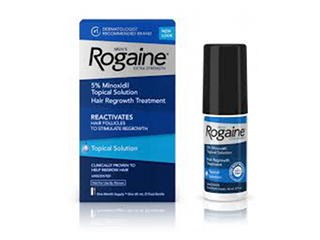
Minoxidil is available over-the-counter across Canada and represents the most accessible hair loss treatment. This vasodilator works by increasing blood flow to hair follicles, extending the growth phase of the hair cycle and strengthening existing hair shafts.
Canadian pharmacies stock both 2% and 5% concentrations. The 2% solution is typically recommended for women and those with sensitive scalps, while the 5% concentration is generally more effective for men with androgenetic alopecia. Application involves applying the solution directly to dry scalp twice daily, focusing on thinning areas.
Patients should expect to see initial results within 3-4 months of consistent use, with optimal benefits appearing after 6-12 months. Results vary among individuals, with approximately 60% of users experiencing some degree of hair regrowth or slowed hair loss.
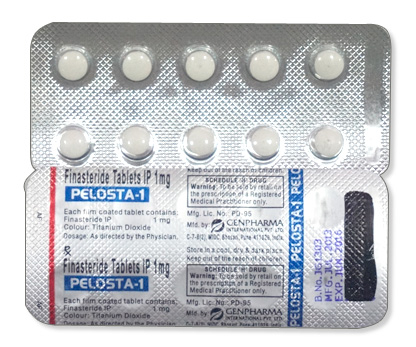
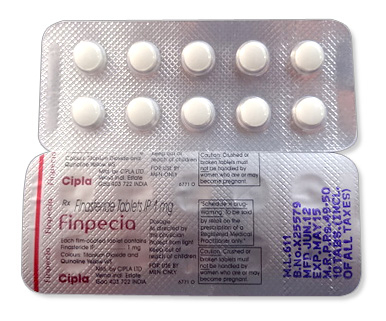
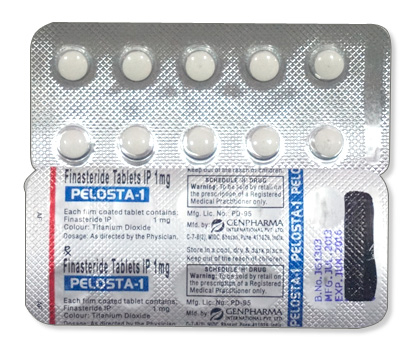
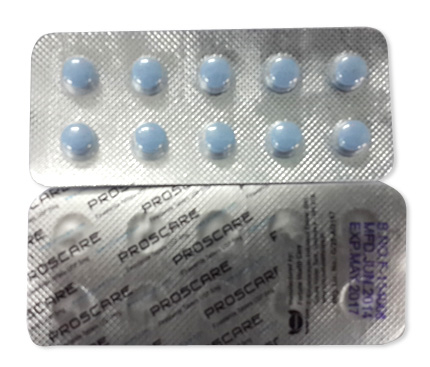
Finasteride requires a prescription from a licensed Canadian physician and is approved specifically for male pattern baldness. This medication works by inhibiting 5-alpha reductase, the enzyme that converts testosterone to DHT, effectively reducing DHT levels by up to 70%.
Available as 1mg tablets taken daily, finasteride has shown significant effectiveness in clinical studies:
Potential side effects include decreased libido, erectile dysfunction, and reduced ejaculate volume, affecting approximately 2-4% of users. Canadian healthcare providers carefully evaluate each patient's medical history before prescribing finasteride, ensuring appropriate monitoring throughout treatment.
Many Canadians experiencing hair thinning or loss begin their treatment journey with over-the-counter solutions available at pharmacies across the country. These accessible options provide an excellent starting point for addressing various types of hair loss concerns without requiring a prescription.
Minoxidil-based topical treatments remain the most clinically proven over-the-counter option for hair regrowth. Available in 2% and 5% concentrations, these solutions and foams are applied directly to the scalp twice daily. Hair growth serums containing peptides, caffeine, and botanical extracts offer additional support for thinning hair, though results may vary between individuals.
Specialized shampoos and conditioners formulated with ingredients like ketoconazole, saw palmetto, and biotin can help create optimal scalp conditions for hair growth. These products work best when combined with nutritional supplements containing:
Scalp massage tools, derma rollers, and LED therapy devices can enhance circulation and potentially improve treatment effectiveness. However, it's crucial to maintain realistic expectations with OTC products. Most users notice initial results after 3-6 months of consistent use, with optimal benefits typically seen after 12 months. Canadian consumers should consult pharmacy professionals to determine the most suitable combination of products for their specific hair loss pattern.
When over-the-counter solutions prove insufficient, prescription medications offer more potent alternatives for treating hair loss in Canada. These treatments require consultation with qualified healthcare providers and are typically recommended for moderate to severe hair loss cases or when OTC options haven't produced desired results after consistent use.
Canadian healthcare providers typically consider prescription treatments for patients experiencing rapid hair loss, significant pattern baldness, or autoimmune-related alopecia. Men with male pattern baldness and women with androgenetic alopecia often benefit from prescription interventions, particularly when initiated during early stages of hair loss.
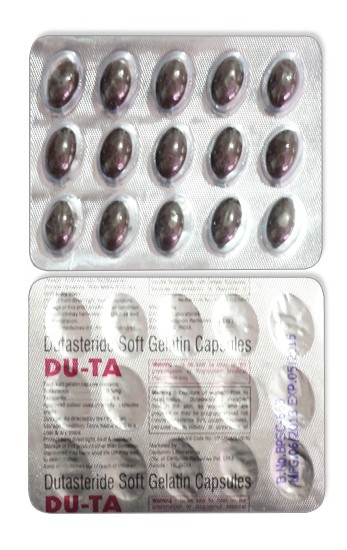
Dutasteride serves as an effective alternative to finasteride, offering broader DHT inhibition for men with aggressive hair loss patterns. This medication requires careful monitoring and is available through Canadian prescriptions. For women, hormone therapy considerations may include:
Corticosteroid treatments, including injections and topical formulations, effectively address alopecia areata and other inflammatory hair loss conditions. Canadian patients should consult dermatologists or family physicians to determine appropriate treatment protocols.
When considering prescription hair loss treatments in Canada, patients should discuss insurance coverage with their provincial health plans and private insurers. Many prescription hair loss medications are considered cosmetic treatments, though coverage may be available for medically necessary cases involving hormonal disorders or autoimmune conditions.
Implementing proper hair care techniques can significantly reduce hair loss and promote healthier hair growth. Gentle handling is crucial for maintaining hair integrity and preventing unnecessary breakage that can worsen existing hair loss conditions.
Always use a wide-tooth comb on wet hair and avoid aggressive brushing when hair is damp. Pat hair dry with a soft towel rather than rubbing vigorously, and minimize the use of tight hairstyles that pull on the hair follicles. When styling, opt for loose braids or ponytails to reduce tension on the scalp.
Choose sulphate-free shampoos and moisturizing conditioners specifically formulated for your hair type. Limit heat styling tools and always apply a heat protectant when necessary. Protect your hair from UV damage by wearing hats during extended sun exposure, and consider using leave-in treatments with SPF protection.
Avoid chemical treatments like perming or bleaching during active hair loss periods, as these can further weaken hair strands and irritate sensitive scalps.
Beginning your hair loss treatment journey requires a systematic approach to identify the most effective solutions for your specific situation. Understanding your hair loss pattern and underlying causes will help guide treatment decisions and set realistic expectations.
Start by documenting your hair loss pattern, family history, and any recent lifestyle changes or medications. Canadian pharmacists are valuable resources who can assess your symptoms and recommend appropriate over-the-counter treatments. They can also advise when medical consultation might be necessary for prescription options.
Most hair loss treatments require 3-6 months of consistent use before visible results appear. Begin with one treatment at a time to monitor effectiveness and potential side effects. Take progress photos monthly and keep a treatment diary noting any changes in hair texture, growth rate, or side effects.
Health Canada's website provides comprehensive information about approved hair loss treatments, while provincial pharmacy associations offer directories to find qualified pharmacists. Many Canadian pharmacies also provide specialized hair health consultations to support your treatment journey with ongoing professional guidance and product recommendations.