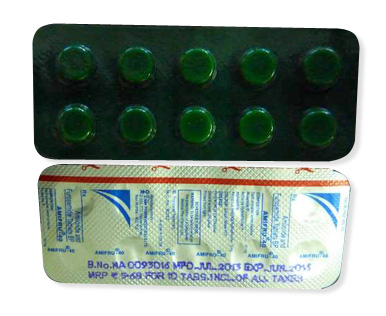
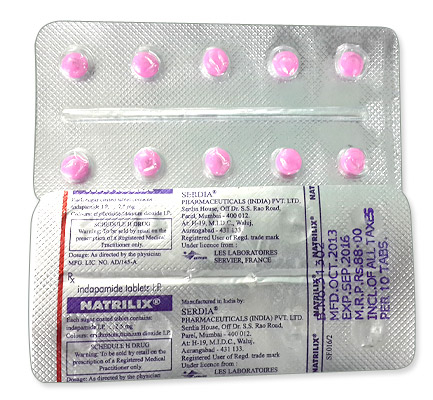
Diuretics, commonly known as "water pills," are medications that help your body eliminate excess water and sodium through increased urine production. These medications work by targeting specific parts of the kidneys, particularly the nephrons, which are the kidney's filtering units responsible for maintaining fluid and electrolyte balance in your body.
The primary mechanism of diuretics involves interfering with the normal reabsorption of sodium and chloride in different segments of the kidney tubules. When these electrolytes aren't reabsorbed back into the bloodstream, they remain in the urine along with additional water, leading to increased urine output. This process effectively reduces the overall fluid volume in your circulatory system.
Diuretics help eliminate excess water and sodium through several pathways depending on their type. Some block sodium reabsorption in the early part of the kidney tubule, while others work in the loop of Henle or the collecting duct. This targeted action allows healthcare providers to choose the most appropriate diuretic based on individual patient needs and medical conditions.
The cardiovascular benefits of diuretics are significant, as reducing excess fluid helps lower blood pressure and decreases the workload on the heart. This makes them particularly valuable for managing hypertension, heart failure, and edema. Additionally, diuretics can improve overall health by reducing strain on blood vessels and helping maintain proper electrolyte balance throughout the body.
Canadian pharmacies offer several categories of diuretics, each with distinct mechanisms of action and therapeutic applications. Understanding these different types helps patients and healthcare providers select the most appropriate treatment option.
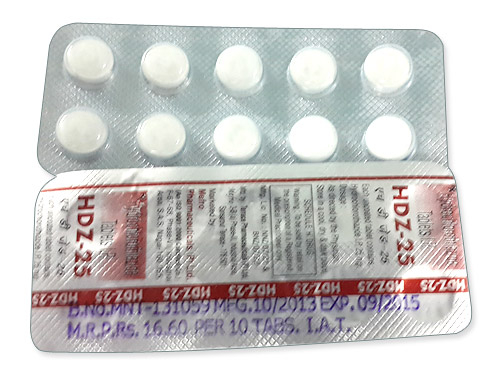
These are among the most commonly prescribed diuretics in Canada, working primarily in the distal convoluted tubule of the kidney. Popular options include hydrochlorothiazide (HCTZ), indapamide, and chlorthalidone. These medications are often first-line treatments for hypertension due to their proven cardiovascular benefits and relatively mild side effect profile.
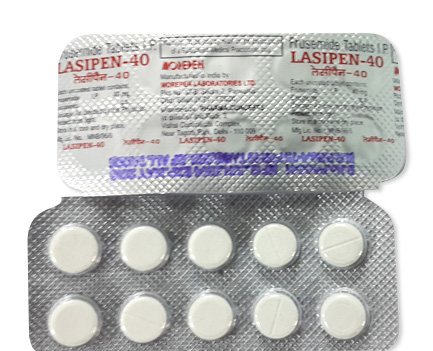
Loop diuretics are the most potent type available, working in the loop of Henle to produce significant fluid elimination. Furosemide (Lasix), bumetanide, and ethacrynic acid are the primary options available in Canadian pharmacies. These are typically reserved for more serious conditions like heart failure or severe edema due to their powerful effects.
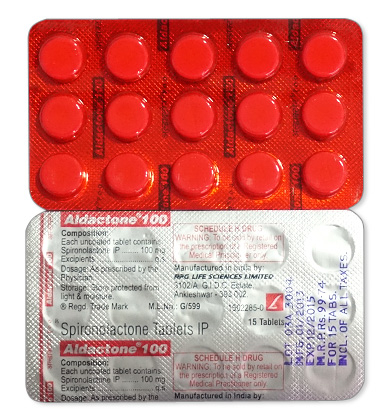
These medications help retain potassium while still promoting diuresis, making them valuable for patients at risk of potassium deficiency. Available options include spironolactone, amiloride, and triamterene. They're often used in combination with other diuretics to balance electrolyte levels.
Canadian patients have access to both brand-name and generic formulations, with combination medications also widely available. Common combinations include:
Generic alternatives are readily available through most Canadian pharmacies, offering cost-effective options while maintaining the same therapeutic efficacy as brand-name medications.
Diuretics are prescribed medications that help remove excess fluid from the body by increasing urine production. Healthcare providers in Canada commonly prescribe these medications for various medical conditions where fluid retention poses health risks.
Diuretics are often the first-line treatment for hypertension, helping reduce blood volume and pressure on arterial walls. By eliminating excess sodium and water, these medications effectively lower blood pressure and reduce the risk of cardiovascular complications.
Patients with heart failure frequently develop fluid buildup in their lungs, legs, and abdomen. Diuretics help relieve these symptoms by reducing the workload on the heart and improving breathing and comfort levels.
Diuretics effectively treat various conditions causing fluid accumulation:
Canadian healthcare providers carefully evaluate each patient's condition to determine the most appropriate diuretic type and dosage for optimal treatment outcomes while minimizing potential side effects.
Taking diuretics correctly is essential for safe and effective treatment. Canadian patients should always follow their healthcare provider's specific instructions and never adjust dosages without medical supervision.
Take diuretics exactly as prescribed, preferably with food to reduce stomach upset. Swallow tablets whole with a full glass of water unless your pharmacist advises otherwise. Maintain consistent timing with your doses to ensure steady medication levels in your system.
Most diuretics work best when taken in the morning to avoid nighttime urination. However, follow your specific prescription schedule. Important guidelines include:
Regular monitoring is crucial during diuretic therapy. Your healthcare provider will schedule blood tests to check kidney function, electrolyte levels, and blood pressure. Report any unusual symptoms, including dizziness, muscle cramps, or excessive thirst. Treatment duration varies depending on your condition - some patients require short-term use while others need long-term management.
Diuretics are generally well-tolerated medications, but like all pharmaceuticals, they can cause side effects that patients should be aware of. Understanding these potential effects helps ensure safe and effective treatment.
Most patients experience mild side effects that often improve as the body adjusts to the medication. The most common include frequent urination (especially during the first few weeks), dizziness or lightheadedness when standing up quickly, and changes in electrolyte levels such as potassium, sodium, or magnesium. Some patients may also experience headaches, fatigue, or mild dehydration.
Seek immediate medical attention if you experience severe dehydration, irregular heartbeat, persistent muscle cramps or weakness, confusion, or severe dizziness. These symptoms may indicate dangerous electrolyte imbalances requiring prompt medical intervention.
Regular communication with your healthcare provider ensures any concerns are addressed promptly and treatment remains optimal for your individual needs.
Successful diuretic therapy involves more than just taking medication—it requires ongoing monitoring and lifestyle adjustments to ensure optimal results and minimize side effects.
Maintain a balanced diet rich in potassium-containing foods like bananas, oranges, and leafy greens, unless specifically advised otherwise by your healthcare provider. Limit excessive salt intake, but avoid eliminating sodium entirely. Stay well-hydrated by drinking adequate water throughout the day, but follow your doctor's specific fluid recommendations.
Regular blood pressure checks and laboratory tests to monitor electrolyte levels are essential components of diuretic therapy. Your healthcare provider will schedule appropriate follow-up appointments based on your specific medication and health status.
Contact your healthcare provider if you experience persistent side effects, significant changes in urination patterns, or any concerning symptoms. Regular monitoring ensures your treatment remains safe and effective long-term.