Cholesterol is a waxy, fat-like substance that occurs naturally in your body and is essential for normal cell function. However, when cholesterol levels become elevated, it can pose significant health risks. Understanding the different types of cholesterol is crucial for managing your cardiovascular health effectively.
There are several important types of cholesterol and blood fats that healthcare providers monitor:
Cholesterol significantly affects cardiovascular health by contributing to atherosclerosis, a condition where plaque builds up in arteries. This buildup can restrict blood flow to vital organs, including the heart and brain, potentially leading to heart attacks, strokes, and other serious cardiovascular events.
Several risk factors can contribute to high cholesterol levels, including genetics, diet high in saturated and trans fats, lack of physical activity, obesity, smoking, and age. Many Canadians with high cholesterol experience no symptoms, which is why regular screening is essential. When symptoms do occur, they may include chest pain, shortness of breath, or fatigue during physical activity.
Heart disease remains one of the leading causes of death in Canada, affecting hundreds of thousands of Canadians each year. According to Health Canada, cardiovascular disease accounts for approximately 1 in 4 deaths nationally, making cholesterol management a critical component of preventive healthcare for Canadian families.
The long-term health consequences of unmanaged high cholesterol extend far beyond immediate cardiovascular risks. Over time, elevated cholesterol levels can lead to coronary artery disease, peripheral artery disease, stroke, and reduced quality of life. These conditions can result in decreased mobility, chronic pain, frequent hospitalizations, and significant impact on daily activities and independence.
Proper cholesterol control offers substantial benefits for your overall health and well-being. By maintaining healthy cholesterol levels through lifestyle modifications, medication when appropriate, and regular monitoring, you can significantly reduce your risk of heart attack and stroke, improve circulation, maintain better energy levels, and enjoy a more active lifestyle well into your later years. Early intervention and consistent management are key to preventing serious cardiovascular complications and ensuring optimal heart health throughout your life.
Statins are the most commonly prescribed cholesterol-lowering medications in Canada and are considered the first-line treatment for managing high cholesterol. These medications are highly effective at reducing LDL (bad) cholesterol levels and have been extensively studied for their cardiovascular benefits.
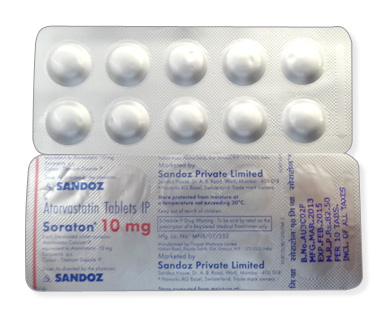
Atorvastatin (Lipitor) is one of the most potent statins available and is widely prescribed across Canada. It effectively reduces LDL cholesterol by 35-50% and provides additional benefits in reducing triglyceride levels. This medication is available in various strengths and is suitable for patients requiring significant cholesterol reduction.
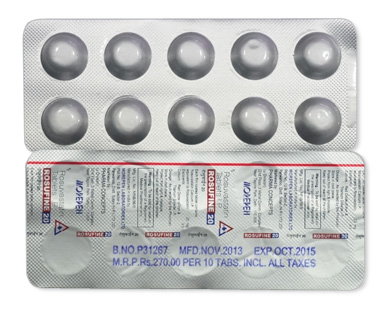
Rosuvastatin (Crestor) is another highly effective statin that offers superior LDL cholesterol reduction compared to many other statins. It's particularly beneficial for patients with elevated LDL levels and those at high cardiovascular risk. Rosuvastatin also provides modest increases in HDL (good) cholesterol.
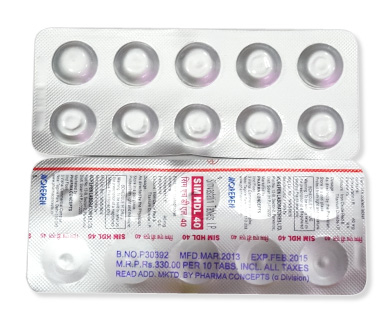
Simvastatin (Zocor) is a well-established statin with a long safety profile. It's often prescribed as a moderate-intensity statin and is suitable for patients who require steady cholesterol management. This medication is typically taken in the evening as cholesterol production peaks during nighttime hours.
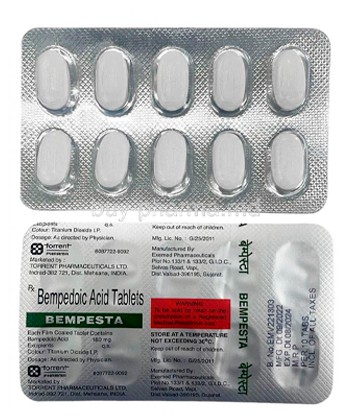
Statins work by inhibiting HMG-CoA reductase, an enzyme crucial for cholesterol production in the liver. By blocking this enzyme, statins effectively reduce the liver's ability to manufacture cholesterol, leading to decreased blood cholesterol levels. Clinical studies consistently demonstrate that statins can reduce LDL cholesterol by 20-60%, depending on the specific medication and dosage.
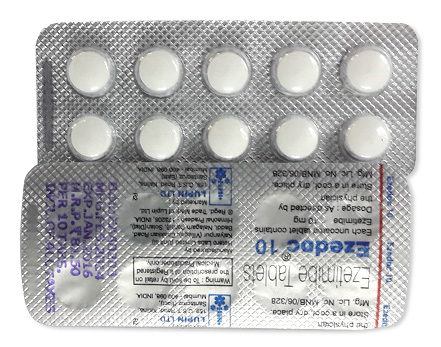
Ezetimibe (Zetia) works differently from statins by blocking cholesterol absorption in the intestines. This medication can be used alone or in combination with statins for patients who need additional cholesterol reduction or cannot tolerate higher statin doses.
Bile acid sequestrants include medications such as cholestyramine and colesevelam. These drugs bind to bile acids in the intestines, forcing the liver to use more cholesterol to produce new bile acids, thereby reducing overall cholesterol levels. They're particularly useful for patients who cannot take statins.
PCSK9 inhibitors are newer, injectable medications reserved for patients with severely elevated cholesterol levels or those who don't respond adequately to other treatments. These medications are available in Canada through special authorization programs.
Combination therapies may include statin plus ezetimibe combinations or other dual-therapy options. These are particularly beneficial for patients requiring intensive cholesterol management or those who experience side effects with higher doses of single medications.
Understanding how cholesterol medications work helps patients appreciate their treatment and maintain compliance with their prescribed regimen. Different classes of medications target various pathways in cholesterol metabolism.
Blocking cholesterol production is the primary mechanism of statins. These medications inhibit the enzyme responsible for cholesterol synthesis in the liver, which accounts for approximately 75% of the body's cholesterol production. When the liver produces less cholesterol, it increases the number of LDL receptors to capture more cholesterol from the bloodstream.
Reducing cholesterol absorption is achieved through medications like ezetimibe, which blocks the intestinal absorption of dietary cholesterol and cholesterol recycled through bile acids. This mechanism complements statin therapy by addressing the remaining 25% of cholesterol that comes from dietary sources.
Increasing cholesterol elimination occurs with bile acid sequestrants, which bind to bile acids and prevent their reabsorption. This forces the liver to convert more cholesterol into bile acids, effectively removing cholesterol from the body through natural elimination processes.
Patients beginning cholesterol medication therapy should understand realistic expectations for improvement and the importance of consistent monitoring throughout their treatment journey.
Most patients can expect to see initial improvements in their cholesterol levels within 2-4 weeks of starting medication, with maximum effects typically achieved within 6-8 weeks. However, the timeline can vary based on individual factors such as:
Regular monitoring of cholesterol levels is essential for successful treatment management. Healthcare providers typically recommend follow-up blood tests every 6-12 weeks initially, then every 3-6 months once target levels are achieved. This monitoring ensures medication effectiveness and allows for dosage adjustments when necessary.
Lifestyle factors significantly enhance medication effectiveness and should be maintained alongside pharmaceutical treatment. A heart-healthy diet low in saturated and trans fats, regular physical activity, weight management, and smoking cessation all contribute to better cholesterol control. Patients who combine medication with lifestyle modifications often achieve better results with lower medication doses, potentially reducing the risk of side effects while maximizing cardiovascular benefits.
Selecting the most appropriate cholesterol medication requires careful consideration of multiple factors unique to each patient. Your healthcare provider will conduct an individual risk assessment that evaluates your overall cardiovascular risk, including factors such as age, family history, blood pressure, and diabetes status. This comprehensive evaluation helps determine the most suitable treatment approach for your specific situation.
Your medical history and current medications play a crucial role in treatment selection. Certain cholesterol medications may interact with other prescriptions you're taking, or may not be suitable if you have specific health conditions such as liver disease or kidney problems. It's essential to provide your healthcare provider with a complete list of all medications, supplements, and health conditions.
Understanding potential side effects and contraindications is vital for making informed decisions about your treatment. While most people tolerate cholesterol medications well, some may experience muscle pain, digestive issues, or other adverse effects. Your doctor will weigh these risks against the benefits of treatment based on your individual health profile.
Cost and insurance coverage considerations are important factors for Canadian patients. Most provincial health plans cover basic cholesterol medications, while newer or brand-name options may require additional coverage through private insurance or out-of-pocket payment. Discuss coverage options with your pharmacist and healthcare provider to find the most cost-effective solution.
Regular monitoring is essential for safe and effective cholesterol management. Your healthcare provider will schedule follow-up appointments to assess your response to treatment and monitor for any potential side effects. Initial monitoring typically occurs within 6-12 weeks of starting a new medication, followed by periodic check-ups every 3-6 months.
Dosage adjustments may be necessary based on your cholesterol levels and how well you tolerate the medication. Your doctor may increase or decrease your dose, or recommend switching to a different medication if you're not achieving target cholesterol levels or experiencing problematic side effects. Never adjust your medication dosage without consulting your healthcare provider first.
Switching medications may be recommended if your current treatment isn't effectively lowering your cholesterol or if you're experiencing intolerable side effects. Your healthcare provider will carefully transition you to a new medication while monitoring your response to ensure continued cardiovascular protection.
Muscle pain and weakness are among the most commonly reported side effects of cholesterol medications, particularly statins. These symptoms can range from mild discomfort to more severe pain that interferes with daily activities. If you experience persistent muscle pain, especially if accompanied by weakness or dark-coloured urine, contact your healthcare provider immediately.
Digestive issues such as nausea, stomach pain, constipation, or diarrhea may occur when starting cholesterol medications. These side effects are often temporary and may improve as your body adjusts to the medication. Taking your medication with food or at bedtime may help reduce digestive discomfort.
Liver function concerns require careful monitoring, as some cholesterol medications can affect liver enzymes. Your healthcare provider will order regular blood tests to monitor your liver function and ensure the medication isn't causing any problems. Signs of liver issues include yellowing of the skin or eyes, dark urine, or persistent abdominal pain.
Drug interactions can occur when cholesterol medications are combined with certain other prescriptions, over-the-counter drugs, or supplements. Always inform all your healthcare providers and pharmacists about every medication and supplement you're taking to avoid potentially dangerous interactions.
Required blood tests are an essential part of cholesterol treatment monitoring. Your healthcare provider will order lipid panels to track your cholesterol levels and liver function tests to ensure medication safety. These tests help determine if your treatment is working effectively and whether any dosage adjustments are needed.
Warning signs that require immediate medical attention include:
Contact your doctor immediately if you experience any of these warning signs, or if you have concerns about your medication. Don't stop taking your cholesterol medication without first consulting your healthcare provider, as this could increase your risk of heart attack or stroke.
Foods that support cholesterol medications can enhance their effectiveness and contribute to better overall cardiovascular health. Focus on incorporating heart-healthy options such as oily fish rich in omega-3 fatty acids, soluble fiber from oats and beans, nuts, and plenty of fruits and vegetables. These foods work synergistically with your medication to help achieve optimal cholesterol levels.
Canadian dietary guidelines recommend following Canada's Food Guide, which emphasizes whole foods and limits processed options high in saturated and trans fats. Reduce your intake of foods high in dietary cholesterol and saturated fats, such as fatty meats, full-fat dairy products, and commercially baked goods. Choose lean proteins, low-fat dairy options, and healthier cooking methods like grilling, baking, or steaming.
Supplements and natural alternatives should be discussed with your healthcare provider before use. While some supplements like plant sterols and psyllium may provide additional cholesterol-lowering benefits, they shouldn't replace prescribed medications. Some natural products can interact with cholesterol medications, so professional guidance is essential.
Physical activity recommendations for Canadians include at least 150 minutes of moderate-intensity aerobic activity per week, as outlined by the Canadian Society for Exercise Physiology. Regular exercise can help raise HDL (good) cholesterol while lowering LDL (bad) cholesterol and triglycerides. Start slowly and gradually increase your activity level, especially if you've been sedentary.
Stress management plays an important role in cardiovascular health and can complement your cholesterol treatment. Chronic stress may contribute to elevated cholesterol levels and increase your risk of heart disease. Consider stress-reduction techniques such as meditation, yoga, deep breathing exercises, or regular physical activity to help manage stress levels effectively.
Smoking cessation support is crucial for anyone taking cholesterol medications, as smoking significantly increases cardiovascular risk and can counteract the benefits of treatment. Canada offers various smoking cessation programs and resources, including quitline services, nicotine replacement therapy, and prescription medications. Speak with your healthcare provider or pharmacist about available support options in your province.