High blood pressure, or hypertension, affects millions of Canadians and is often called the "silent killer" because it typically has no symptoms until serious complications develop. When blood pressure consistently measures 140/90 mmHg or higher, it puts extra strain on your heart, arteries, and other organs. Left untreated, hypertension significantly increases your risk of heart attack, stroke, kidney disease, and heart failure. Understanding your blood pressure readings and working with healthcare professionals is crucial for maintaining optimal cardiovascular health.
While hypertension is usually asymptomatic, some individuals may experience headaches, dizziness, blurred vision, or shortness of breath. However, these symptoms often occur only when blood pressure reaches dangerously high levels. Regular blood pressure monitoring is essential since you cannot rely on symptoms alone. Seek immediate medical attention if you experience severe headaches, chest pain, difficulty breathing, irregular heartbeat, or blood pressure readings above 180/120 mmHg, as these may indicate a hypertensive crisis requiring emergency treatment.
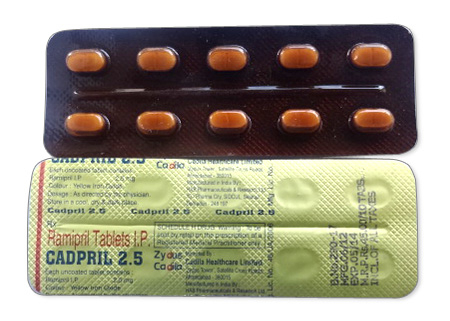
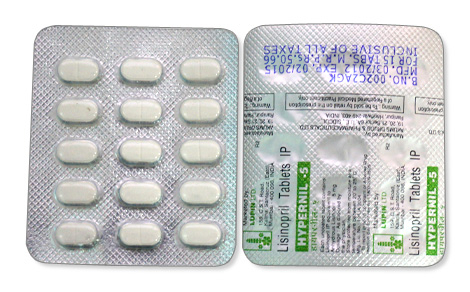
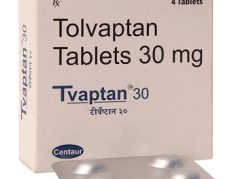
Canadian healthcare providers have several effective medication options to help manage high blood pressure. The choice of medication depends on your individual health profile, other medical conditions, and how well you respond to treatment. Your pharmacist can provide valuable information about potential side effects and drug interactions.
Alongside medication, lifestyle changes play a crucial role in managing hypertension. Following Canada's Food Guide recommendations, reducing sodium intake to less than 2,300 mg daily, and incorporating potassium-rich foods like fruits and vegetables can significantly impact blood pressure. Regular physical activity, maintaining a healthy weight, limiting alcohol consumption, and managing stress through relaxation techniques or counselling are equally important. The DASH (Dietary Approaches to Stop Hypertension) eating plan, which emphasizes whole grains, lean proteins, and low-fat dairy products, has proven particularly effective for blood pressure management.
Home blood pressure monitoring is encouraged by Healthcare Canada and provides valuable information between medical appointments. When selecting a monitor, choose a validated device with an appropriate cuff size and follow proper measurement techniques. Take readings at the same time daily, avoid caffeine and exercise beforehand, and keep a log to share with your healthcare provider. Many Canadian pharmacies offer blood pressure monitoring services and can help you select appropriate home monitoring equipment.
Understanding cholesterol types is essential for heart health management. Low-density lipoprotein (LDL) cholesterol, often called "bad" cholesterol, can build up in artery walls, forming plaques that narrow blood vessels and increase heart attack and stroke risk. High-density lipoprotein (HDL) cholesterol, known as "good" cholesterol, helps transport LDL cholesterol away from arteries to the liver for disposal. Triglycerides, another type of blood fat, can also contribute to cardiovascular disease when elevated. Maintaining optimal levels of all these lipids is crucial for preventing atherosclerosis and maintaining healthy circulation.
Canadian clinical guidelines recommend specific cholesterol targets based on your cardiovascular risk factors. For most adults, ideal levels include LDL cholesterol below 2.0 mmol/L, HDL cholesterol above 1.0 mmol/L for men and 1.3 mmol/L for women, and triglycerides below 1.7 mmol/L. However, individuals with diabetes, existing heart disease, or other risk factors may require more stringent targets, with LDL levels below 1.8 mmol/L or even lower. Your healthcare provider will determine appropriate targets based on your individual risk assessment and overall health profile.
Statins are the most commonly prescribed cholesterol-lowering medications in Canada and have extensive research supporting their cardiovascular benefits. These medications work by inhibiting HMG-CoA reductase, an enzyme involved in cholesterol production in the liver. Most statins are available as generic medications, making them accessible and cost-effective options for long-term treatment.
For patients who cannot tolerate statins or need additional cholesterol lowering, several alternative medications are available in Canada. Ezetimibe (Zetia) works by blocking cholesterol absorption in the intestine and can be used alone or combined with statins for enhanced LDL reduction. Fibrates, such as Fenofibrate, are particularly effective for lowering triglycerides and may modestly increase HDL cholesterol. These medications are often prescribed for patients with mixed dyslipidemia or those who experience muscle-related side effects from statins.
Dietary modifications remain fundamental to cholesterol management. The Mediterranean diet, rich in olive oil, fish, nuts, and whole grains, has demonstrated significant cardiovascular benefits. Reducing saturated fat intake, eliminating trans fats, and increasing soluble fibre consumption through oats, beans, and fruits can meaningfully impact cholesterol levels. Some Canadians may benefit from plant sterols and stanols, available in fortified foods or supplements, which can lower LDL cholesterol by 6-15%. However, always consult your pharmacist or healthcare provider before starting any supplements, as they may interact with prescribed medications.
Successful cholesterol management requires ongoing monitoring and adjustments. Initial follow-up typically occurs 6-8 weeks after starting medication, with subsequent monitoring every 3-6 months once targets are achieved. Your healthcare team will assess not only cholesterol levels but also liver function and potential side effects. Many Canadian pharmacies offer comprehensive medication reviews and can help coordinate care with your physician. Regular monitoring ensures optimal treatment effectiveness while minimizing risks, and provides opportunities to discuss lifestyle modifications and address any concerns about your cardiovascular health management plan.
Heart rhythm disorders, known as arrhythmias, affect millions of Canadians and can significantly impact quality of life. Common arrhythmias include atrial fibrillation, atrial flutter, and ventricular arrhythmias, which may present with symptoms such as palpitations, shortness of breath, chest discomfort, dizziness, or fatigue.
Atrial fibrillation is the most prevalent arrhythmia in Canada, requiring comprehensive management to control heart rate and prevent stroke complications. Treatment typically involves two key strategies: rate control and anticoagulation therapy.
Healthcare providers commonly prescribe several medication classes to manage heart rhythm disorders:
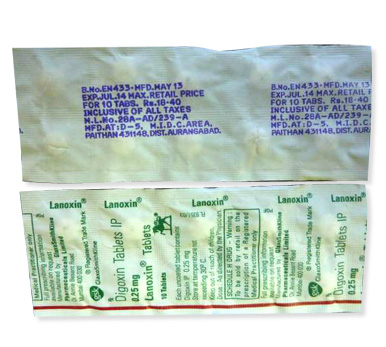
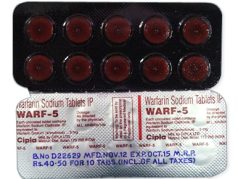
Anticoagulation therapy is crucial for stroke prevention in atrial fibrillation patients. Options include traditional Warfarin (Coumadin) requiring regular INR monitoring, and newer direct oral anticoagulants like Apixaban and Rivaroxaban, which offer convenient dosing without routine blood work. Regular monitoring for drug interactions and bleeding risks is essential. Contact your healthcare provider immediately if you experience unusual bleeding, severe dizziness, or worsening symptoms.
Heart failure is a progressive condition where the heart cannot pump blood effectively to meet the body's needs. Understanding the different types—systolic versus diastolic heart failure—helps guide appropriate treatment strategies. Early recognition and proper management can significantly improve outcomes and quality of life for Canadian patients.
Key symptoms include shortness of breath during activity or when lying flat, persistent fatigue, swelling in legs and ankles, rapid weight gain, and decreased exercise tolerance. Monitoring these symptoms helps patients and healthcare providers adjust treatments appropriately.
Evidence-based heart failure treatment in Canada focuses on several medication categories:
Newer heart failure treatments available through Health Canada approvals offer additional options for patients with persistent symptoms. Dietary sodium restriction to less than 2,000mg daily and appropriate fluid management are essential components of care. Supervised cardiac rehabilitation programmes and graduated exercise plans help improve functional capacity. Regular follow-up with healthcare providers ensures optimal medication dosing and early intervention when symptoms change.
Blood clot prevention and management are critical components of cardiovascular health, particularly for Canadians at higher risk of thrombotic events. Understanding your risk factors and treatment options helps ensure optimal protection against potentially life-threatening complications such as deep vein thrombosis, pulmonary embolism, and stroke.
Several factors can increase your risk of developing blood clots, including prolonged immobility, recent surgery, certain medications like hormonal contraceptives, pregnancy, smoking, obesity, and underlying medical conditions such as atrial fibrillation or cancer. Age, family history of clotting disorders, and genetic factors also play important roles in determining individual risk levels.
Anticoagulant medications work by interfering with the blood's natural clotting process to prevent dangerous clot formation. Traditional warfarin therapy has been the gold standard for decades, requiring regular blood monitoring through INR testing to ensure therapeutic levels while minimizing bleeding risk. Newer oral anticoagulants (NOACs) such as rivaroxaban, apixaban, and dabigatran offer convenient dosing with less frequent monitoring requirements. Injectable options including heparin and enoxaparin are typically used in hospital settings or for short-term treatment when rapid anticoagulation is needed.
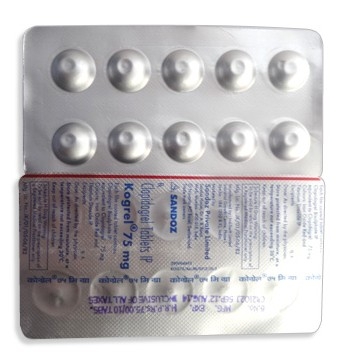
Antiplatelet therapy focuses on preventing platelets from clumping together to form clots. Low-dose aspirin provides cardiovascular protection for many patients, particularly those with established heart disease or at high risk for heart attack and stroke. Clopidogrel (Plavix) offers enhanced protection, often prescribed following heart attacks, strokes, or certain cardiac procedures, and may be used in combination with aspirin for dual antiplatelet therapy when indicated.
Regular monitoring ensures both effectiveness and safety of anticoagulant therapy. This includes routine blood tests, monitoring for signs of bleeding, and being aware of drug interactions that can affect medication effectiveness. Your pharmacist plays a crucial role in reviewing all medications and supplements to identify potential interactions and provide guidance on proper timing of doses.
Long-distance travel requires special consideration for those on anticoagulant therapy or at risk for blood clots. Staying hydrated, performing regular leg exercises during flights, and wearing compression stockings can help reduce risk. Maintaining consistent medication timing across time zones and ensuring adequate supply for extended trips are essential precautions.
Emergency cardiovascular medications can be life-saving when used properly during acute cardiac events. Having immediate access to these medications and understanding their proper use is crucial for individuals with diagnosed heart conditions or those at high risk for cardiovascular emergencies.
Nitroglycerin provides rapid relief for chest pain and angina by dilating coronary arteries and improving blood flow to the heart muscle. Available in sublingual tablets and spray formulations, nitroglycerin works within minutes to alleviate symptoms of coronary artery disease and can prevent progression to more serious cardiac events when used appropriately.
Nitroglycerin requires specific storage conditions to maintain potency and effectiveness. Keep sublingual tablets in their original dark bottle, tightly sealed, and replace every six months or as directed. Store at room temperature away from heat, light, and moisture. Nitroglycerin spray should be stored upright and primed before first use according to manufacturer instructions.
Understanding when chest pain requires emergency intervention versus self-treatment with nitroglycerin can save lives. Seek immediate emergency care if chest pain is severe, persists after three nitroglycerin doses taken five minutes apart, is accompanied by shortness of breath, sweating, nausea, or radiates to the arm, jaw, or back.
Aspirin serves dual purposes in cardiovascular care, providing both preventive protection and emergency treatment during suspected heart attacks. For prevention, low-dose aspirin helps reduce the risk of first or subsequent cardiac events. During a suspected heart attack, chewing a regular-strength aspirin can help prevent further clot formation and improve outcomes when emergency medical services are en route.
Developing a comprehensive emergency action plan ensures prompt and appropriate response during cardiovascular crises. Your plan should include:
Consistent medication adherence is vital for cardiovascular health and emergency preparedness. Establish routines for taking medications at the same times daily, use pill organizers or smartphone reminders, and maintain adequate supply by refilling prescriptions before running out. Never skip doses or discontinue medications without consulting your healthcare provider, as this can increase risk of cardiovascular events.
Your pharmacist is an invaluable resource for cardiovascular medication management, providing comprehensive medication reviews, identifying potential drug interactions, and ensuring proper technique for emergency medication administration. Schedule regular consultations to discuss any concerns, side effects, or changes in your health status. Take advantage of medication synchronization services to streamline refill management and adherence monitoring programs available at many Canadian pharmacies.