Birth control, also known as contraception, refers to methods and devices used to prevent pregnancy during sexual intercourse. These methods work through various mechanisms to interrupt the natural reproductive process, allowing individuals and couples to plan their families according to their personal circumstances and desires. Effective birth control is essential for reproductive health, enabling people to make informed decisions about when and if they want to have children.
Different contraceptive methods work by preventing ovulation (the release of eggs from the ovaries), blocking fertilization (preventing sperm from reaching the egg), or inhibiting implantation (preventing a fertilized egg from attaching to the uterine wall). Understanding how these mechanisms work helps individuals choose the most suitable method for their lifestyle, health needs, and family planning goals.
Canadian residents have access to a comprehensive range of contraceptive options, each offering different levels of effectiveness and convenience. The choice of birth control method depends on individual health factors, lifestyle preferences, and long-term family planning objectives.
Effectiveness rates vary significantly among methods, ranging from over 99% for IUDs and sterilization to lower rates for natural family planning methods. Some contraceptives require a prescription from a healthcare provider, while others, such as condoms and emergency contraception, are available over-the-counter at pharmacies across Canada.
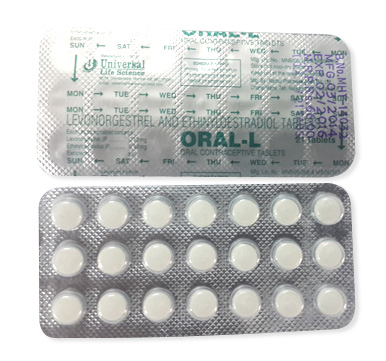
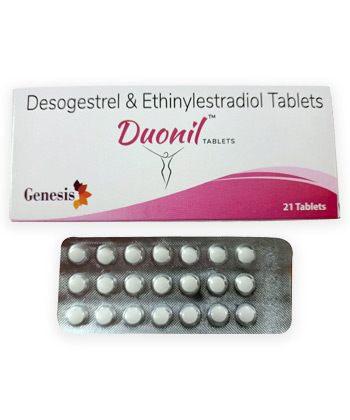
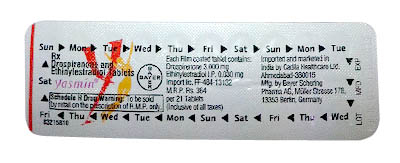
Combined oral contraceptives contain both estrogen and progestin hormones and are the most commonly prescribed birth control pills in Canada. These medications work by preventing ovulation, thickening cervical mucus, and thinning the uterine lining to prevent pregnancy. Popular brands available at Canadian pharmacies include:
Also known as mini-pills, progestin-only contraceptives are ideal for women who cannot take estrogen due to health conditions or breastfeeding. Available brands in Canada include Micronor and Nor-QD. These pills must be taken at the same time each day for maximum effectiveness.
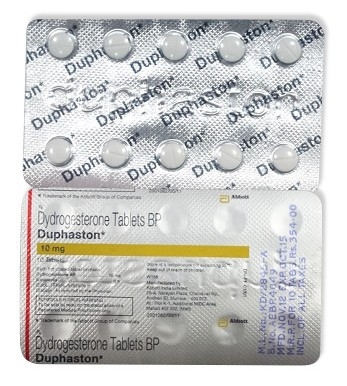
Birth control pills typically come in 21-day or 28-day packs, with the 28-day packs including seven placebo pills for convenience. Extended cycle pills allow for fewer menstrual periods throughout the year. Both generic and brand name options are available, with generics offering cost savings. All birth control pills require a prescription from a healthcare provider and can be dispensed at any licensed pharmacy across Canada.
Selecting the appropriate birth control method depends on several individual factors including your lifestyle, existing health conditions, and age. Women with certain medical histories, such as blood clotting disorders or migraines with aura, may need to avoid estrogen-containing methods. Your daily routine and ability to remember taking pills consistently should also influence your decision.
Birth control methods vary significantly in their effectiveness rates, from over 99% for IUDs and implants to 91% for typical pill use. Consider potential side effects, convenience factors, and your comfort level with different methods. Cost considerations are important, as many provincial health plans and private insurance policies in Canada cover contraceptive options differently.
Consulting with your healthcare provider, family doctor, or pharmacist is essential for making an informed decision. They can assess your medical history, discuss your preferences, and recommend suitable options. Many methods allow for trial periods, and switching between different contraceptive methods is common until you find the best fit for your needs and lifestyle.
Birth control methods offer numerous health benefits beyond preventing pregnancy. Many women find that hormonal contraceptives help regulate irregular menstrual cycles, reduce heavy bleeding, and alleviate painful periods. Research shows that long-term use of combined oral contraceptives can significantly reduce the risk of ovarian and endometrial cancers. Additionally, certain birth control pills effectively treat acne and help manage hormonal imbalances, including symptoms of polycystic ovary syndrome (PCOS).
While generally safe, birth control methods can cause side effects. Common issues include nausea, breast tenderness, weight fluctuations, and mood changes, which often improve after the first few months of use. Serious but rare risks include blood clots, stroke, and heart attack, particularly in women who smoke, are over 35, or have certain medical conditions.
If you experience persistent side effects, severe headaches, or unusual symptoms, contact your healthcare provider immediately. Most side effects can be managed by switching to a different method or adjusting dosages.
Accessing birth control in Canada is straightforward through multiple healthcare channels. Family doctors and walk-in clinics can prescribe most contraceptive methods after discussing your medical history and preferences. Sexual health clinics and family planning centres, such as Planned Parenthood locations, offer specialized reproductive health services, often with extended hours and no appointment necessary.
Many pharmacies across Canada now provide contraceptive consultations and can prescribe certain birth control methods, including emergency contraception, making access more convenient. Online prescription services have also expanded, allowing discrete consultations from home with licensed Canadian healthcare providers.
Provincial health plans typically cover doctor visits and IUD insertions, while birth control pills and other methods may require private insurance or out-of-pocket payment. Costs vary significantly, from $15-30 monthly for pills to $300-500 for IUDs, though many insurance plans provide coverage.
All contraceptive consultations in Canada are confidential, regardless of age. Emergency contraception is available without prescription at pharmacies. Regular follow-up appointments ensure your chosen method continues working effectively and safely for your lifestyle.