Asthma is a chronic respiratory condition that affects the airways in your lungs, causing them to become inflamed, narrow, and produce excess mucus. This makes breathing difficult and can trigger coughing, wheezing, and shortness of breath. In Canada, approximately 3.8 million people live with asthma, making it one of the most common chronic conditions affecting both children and adults.
Asthma symptoms can vary from person to person but typically include persistent coughing (especially at night), wheezing, chest tightness, and difficulty breathing. Common triggers that can worsen asthma symptoms include:
Asthma can be classified into different types based on triggers and causes. Allergic asthma is triggered by specific allergens and is the most common form. Non-allergic asthma responds to irritants, stress, or weather changes rather than allergens. Exercise-induced asthma occurs during or after physical activity, particularly in cold, dry conditions common in Canadian winters.
Consult a healthcare provider if you experience frequent coughing, wheezing, or shortness of breath. Seek immediate medical attention if you have severe breathing difficulty, cannot speak in full sentences due to breathlessness, or if your rescue inhaler doesn't provide relief. Proper asthma management significantly improves quality of life and allows most people to participate fully in daily activities, work, and recreational pursuits.
Quick-relief medications, also known as rescue medications or bronchodilators, are essential for managing sudden asthma symptoms. These medications work rapidly to relax the muscles around your airways, opening them up and making breathing easier within minutes of use.
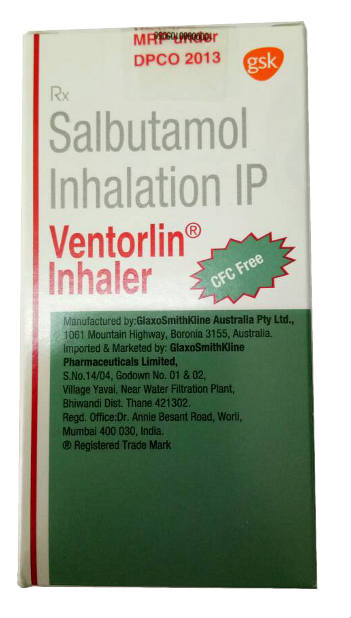
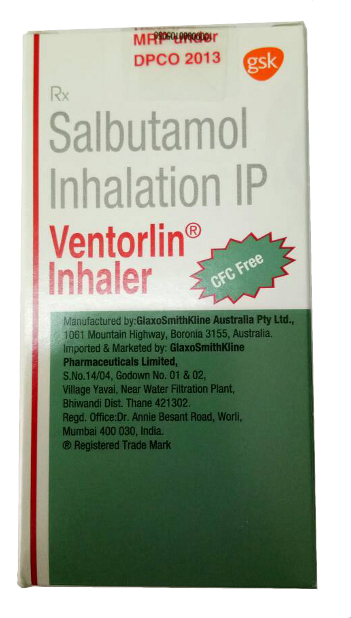
The most commonly prescribed rescue inhalers in Canada contain short-acting beta-agonists (SABAs). Salbutamol is the primary active ingredient found in popular brands like Ventolin HFA and Airomir. These medications are available by prescription and provide quick relief from asthma symptoms by directly targeting the smooth muscles in your airways.
Terbutaline, available as Bricanyl Turbuhaler, is another effective option that works similarly to salbutamol but may be preferred for some patients due to its dry powder delivery system, which can be easier to coordinate than traditional metered-dose inhalers.
For optimal effectiveness, rescue inhalers should be used at the first sign of asthma symptoms such as coughing, wheezing, or chest tightness. The typical dose is 1-2 puffs, and relief should begin within 5-15 minutes. It's crucial to follow your healthcare provider's instructions and use a spacer device when recommended to ensure proper medication delivery to your lungs.
If your rescue inhaler doesn't provide relief within 15-20 minutes, or if you need to use it more than every four hours, seek immediate medical attention. Having severe difficulty breathing, inability to speak in full sentences, or blue lips or fingernails are signs requiring emergency care.
Long-term control medications are the cornerstone of asthma management in Canada, designed to reduce airway inflammation and prevent symptoms before they occur. These medications, also known as controller medications, are typically taken daily regardless of symptoms to maintain optimal lung function and reduce the frequency of asthma attacks.
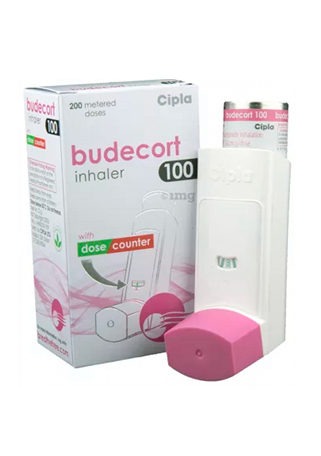
Inhaled corticosteroids are considered the most effective anti-inflammatory medications for asthma control. These medications work by reducing swelling and mucus production in the airways, making breathing easier and preventing asthma symptoms. Common inhaled corticosteroids available in Canada include:
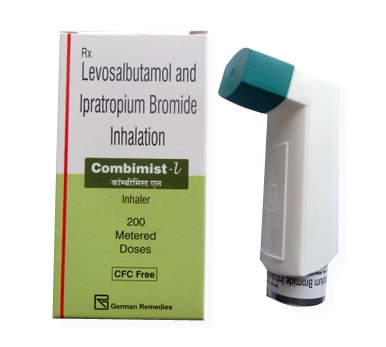
Combination inhalers contain both an inhaled corticosteroid and a long-acting bronchodilator, providing dual action for comprehensive asthma control. These convenient single-inhaler solutions improve medication adherence and offer superior symptom control compared to individual medications.
Symbicort (budesonide/formoterol) combines anti-inflammatory action with rapid-onset bronchodilation, making it suitable for both maintenance therapy and symptom relief. Advair (fluticasone/salmeterol) provides excellent long-term control through its potent corticosteroid and 12-hour bronchodilator combination.
Long-acting bronchodilators help keep airways open for extended periods, typically 12 hours or longer. These medications work by relaxing the smooth muscles surrounding the airways, preventing constriction and improving airflow. They are always used in combination with inhaled corticosteroids for optimal safety and effectiveness.
Consistent daily use of long-term control medications is essential for preventing asthma exacerbations and maintaining quality of life. Regular maintenance therapy reduces healthcare visits, improves lung function, and allows individuals with asthma to participate fully in daily activities and exercise.
Canadian pharmacies offer several types of inhaler devices to help manage asthma effectively. Metered-dose inhalers (MDI) are the most common type, delivering a precise amount of medication with each puff. These pressurized devices require coordination between pressing and inhaling. Dry powder inhalers (DPI) are breath-activated devices that don't require the same timing coordination, making them easier for some patients to use correctly.
Spacer devices, also called holding chambers, significantly improve medication delivery from MDIs. They reduce the need for perfect timing and help more medication reach your lungs rather than staying in your mouth and throat. Proper inhalation technique is crucial for all devices:
Regular device maintenance includes cleaning spacers weekly with warm soapy water and replacing inhalers before they expire. Your pharmacist can demonstrate proper technique and recommend the best device for your needs.
Canada's diverse climate presents unique challenges for asthma management. Environmental allergens such as pollen, dust mites, pet dander, and mould are common triggers. Seasonal changes can significantly impact symptoms, with spring pollen, summer humidity, and winter's dry, cold air all potentially problematic. Air quality alerts, common in urban centres like Toronto and Vancouver, should prompt extra precautions including staying indoors and using air conditioning with proper filtration.
Exercise-induced asthma affects many Canadians, but physical activity remains important for overall health. Using a reliever inhaler 15-20 minutes before exercise and warming up gradually can help prevent symptoms. Stress management through techniques like deep breathing, meditation, or counselling is equally important, as emotional stress can trigger asthma attacks.
Creating an asthma-friendly environment involves:
Allergy testing through your healthcare provider can identify specific triggers, enabling targeted avoidance strategies and potential immunotherapy options.
Peak flow meters measure how well air moves out of your lungs and can detect early signs of worsening asthma before symptoms appear. Regular monitoring helps establish your personal best reading and identify when medications need adjustment. Asthma action plans, developed with your healthcare provider, provide clear instructions for daily management and emergency situations using a traffic light system (green, yellow, red zones).
Recognizing worsening symptoms early is crucial for preventing severe attacks. Warning signs include increased rescue inhaler use, nighttime symptoms, or decreased peak flow readings. Regular check-ups with your healthcare provider ensure optimal medication management and technique review. Many Canadian provinces offer asthma education programs through hospitals and community health centres.
Keeping a symptom and trigger diary helps identify patterns and optimize treatment. Modern smartphone apps can simplify tracking, making it easier to share information with your healthcare team during appointments.