Parasitic infections occur when harmful organisms invade and live within the human body, deriving nutrients at the host's expense. These infections are caused by three main types of parasites: protozoa (single-celled organisms), helminths (worms), and ectoparasites (organisms that live on the skin). In Canada, parasitic infections affect thousands of individuals annually, with certain populations being more susceptible due to travel, occupation, or living conditions.
The most frequently encountered parasites in Canada include Giardia lamblia, which causes gastrointestinal distress, pinworms that primarily affect children, and various types of roundworms. Travellers returning from tropical regions may contract malaria, amoebiasis, or other exotic parasites. Additionally, pet owners may be exposed to parasites such as toxoplasma or various intestinal worms transmitted from their animals.
Parasites enter the human body through contaminated food or water, insect bites, direct contact with infected individuals, or exposure to contaminated soil. Common symptoms include digestive issues, fatigue, unexplained weight loss, and skin irritations. Risk factors include international travel, poor sanitation, compromised immune systems, and close contact with infected individuals or animals. Proper medical diagnosis through laboratory testing is essential for effective treatment.
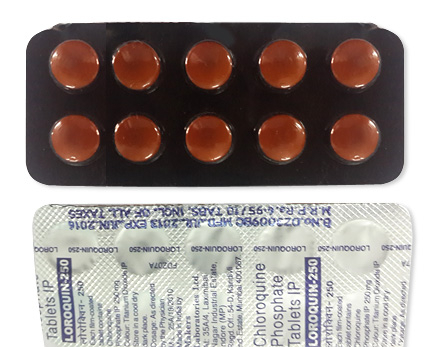
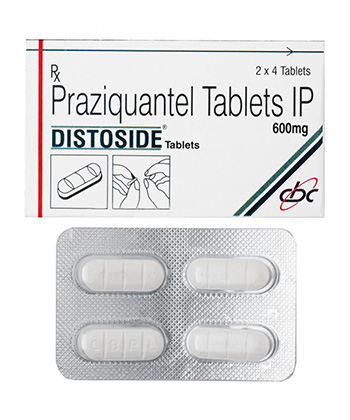
Antiparasitic medications are specifically designed to eliminate or control parasitic infections in the human body. These drugs are classified based on the type of parasite they target and their mechanism of action. The three primary categories include antiprotozoal drugs for single-celled parasites, anthelmintic medications for worm infections, and topical treatments for external parasites.
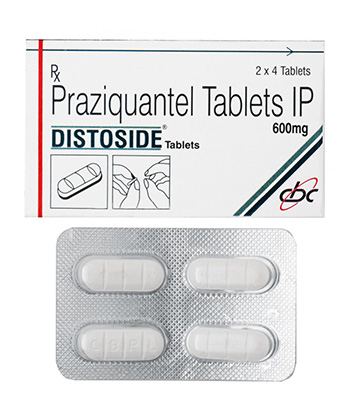
Antiprotozoal medications such as metronidazole and tinidazole work by disrupting the DNA synthesis of protozoan parasites, effectively eliminating infections like giardiasis and trichomoniasis. Anthelmintic drugs target parasitic worms through various mechanisms:
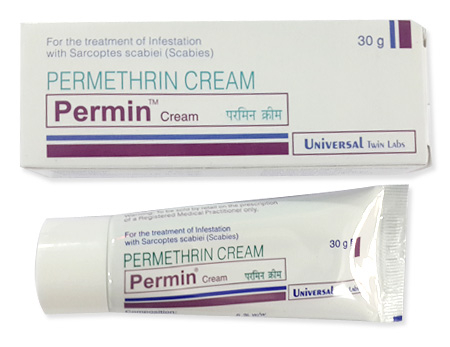
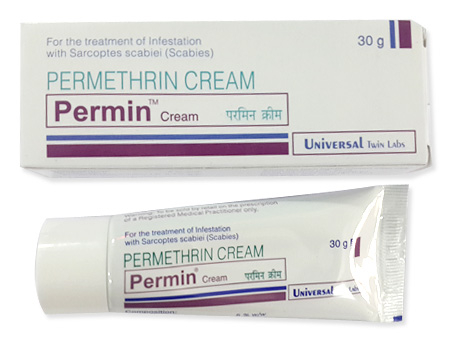
Topical antiparasitic treatments are applied directly to the skin to eliminate external parasites such as scabies mites and lice. These formulations include permethrin creams, lindane lotions, and specialized shampoos containing pyrethrin compounds, providing targeted relief while minimizing systemic exposure.
Canada offers a comprehensive range of antiparasitic medications to treat various parasitic infections. These medications are carefully regulated by Health Canada to ensure safety and efficacy for Canadian patients. Understanding the available options can help you work with your healthcare provider to find the most appropriate treatment for your specific condition.
Metronidazole (Flagyl) is one of the most commonly prescribed antiparasitic medications in Canada for treating protozoal infections. This medication is highly effective against conditions such as trichomoniasis, giardiasis, and amoebiasis. It works by interfering with the DNA of parasitic organisms, ultimately destroying them. Metronidazole requires a prescription from a licensed healthcare provider in Canada.
Albendazole is a broad-spectrum antiparasitic medication used to treat various roundworm and tapeworm infections. This medication is particularly effective against conditions like hydatid disease, neurocysticercosis, and certain soil-transmitted helminth infections. In Canada, albendazole is available by prescription and is often the first-line treatment for many helminthic infections.
Tinidazole serves as an alternative to metronidazole for treating giardiasis and other protozoal infections. This medication offers the advantage of shorter treatment courses compared to some other antiparasitic drugs, which can improve patient compliance. Like other prescription antiparasitics, tinidazole requires proper medical supervision in Canada.
Ivermectin is used in Canada for treating scabies and certain other parasitic infections. This medication has gained attention for its effectiveness against various ectoparasites and some intestinal parasites. Healthcare providers may prescribe ivermectin when other treatments have failed or for specific parasitic conditions where it shows superior efficacy.
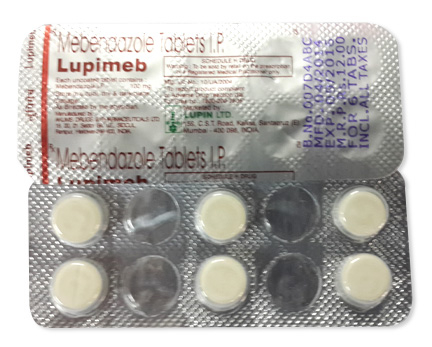
Mebendazole (Vermox) is available in Canadian pharmacies for treating pinworm and other common intestinal worm infections. This medication is particularly popular for family treatments, as pinworm infections often affect multiple household members. Mebendazole works by preventing parasites from absorbing glucose, leading to their elimination from the body.
Pyrantel pamoate represents another over-the-counter option specifically designed for pinworm treatment. This medication is often preferred for pediatric patients due to its safety profile and ease of administration. It works by paralyzing the worms, allowing the body to naturally eliminate them.
Permethrin is widely available in Canada for external parasitic infections, particularly lice and scabies. This topical treatment comes in various formulations, including creams, lotions, and shampoos. Permethrin works by affecting the nervous system of parasites, leading to their paralysis and death.
The availability of antiparasitic medications in Canada follows strict regulatory guidelines established by Health Canada. Understanding these requirements helps ensure proper access to treatment while maintaining safety standards.
When seeking antiparasitic treatment in Canada, it's essential to consult with healthcare professionals who can properly diagnose your condition and recommend the most appropriate medication. Many parasitic infections require specific diagnostic tests to ensure accurate treatment selection. Your pharmacist can also provide valuable information about proper medication administration, potential side effects, and follow-up care requirements.
Antiparasitic medications require strict adherence to prescribed dosages for optimal effectiveness. Never adjust the dose without consulting your healthcare provider, as insufficient dosing may lead to treatment failure and potential resistance development. Always use the measuring device provided with liquid formulations to ensure accurate dosing.
Treatment duration varies significantly depending on the type of parasite and medication prescribed. Most antiparasitic treatments range from single-dose regimens to courses lasting several weeks. Complete the entire prescribed course even if symptoms improve, as parasites may still be present in your system.
Food requirements vary among antiparasitic medications. Some medications require administration with fatty meals to enhance absorption, while others must be taken on an empty stomach. Always follow the specific instructions provided with your medication or consult your pharmacist for clarification.
Incomplete treatment courses are a leading cause of treatment failure and parasite resistance. Even if you feel better before finishing the medication, continue taking it as prescribed. Stopping early may allow surviving parasites to multiply and potentially develop resistance to the medication.
Many antiparasitic medications work best when taken at specific times. Some are most effective when taken at bedtime, while others require multiple daily doses spaced evenly throughout the day. Set reminders to maintain consistent timing and maximize treatment effectiveness.
Dosing for children is typically calculated based on weight rather than age. Elderly patients may require dose adjustments due to decreased kidney or liver function. Always inform your healthcare provider of the patient's age and any underlying health conditions before starting treatment.
Most antiparasitic medications can cause mild side effects that typically resolve on their own. Common side effects include:
Seek immediate medical attention if you experience severe allergic reactions, persistent vomiting, severe abdominal pain, yellowing of skin or eyes, unusual bleeding or bruising, or neurological symptoms such as seizures or severe confusion. These may indicate serious adverse reactions requiring immediate medical intervention.
Antiparasitic medications can interact with various other drugs, including blood thinners, seizure medications, and certain antibiotics. Always inform your healthcare provider and pharmacist of all medications, supplements, and herbal products you are taking. Some antiparasitic drugs should not be used with alcohol or certain medical conditions.
Many antiparasitic medications have specific safety considerations during pregnancy and breastfeeding. Some treatments may be delayed until after delivery if the infection is not immediately threatening. Always inform your healthcare provider if you are pregnant, planning to become pregnant, or breastfeeding before starting any antiparasitic treatment.
Children may be more susceptible to certain side effects and require careful monitoring during treatment. Elderly patients may have increased sensitivity to medications and slower elimination, potentially requiring dose adjustments or more frequent monitoring by healthcare providers.
Contact your healthcare provider immediately if you experience severe side effects, signs of allergic reactions, or if symptoms worsen during treatment. Also reach out if you have questions about your medication or if you accidentally miss several doses.
Proper hygiene is essential to prevent reinfection and transmission to others. Wash hands thoroughly with soap and warm water, especially before eating and after using the bathroom. Keep fingernails short and clean, change undergarments and bedding daily during treatment, and wash clothing and linens in hot water.
Thoroughly clean and disinfect frequently touched surfaces, toys, and bathroom facilities. Vacuum carpets and upholstery regularly, and consider steam cleaning if recommended by your healthcare provider. Some parasites can survive in the environment for extended periods, making thorough cleaning crucial for prevention.
Many parasitic infections are highly contagious among household members. Your healthcare provider may recommend treating all family members simultaneously, even if they show no symptoms. This approach helps prevent reinfection cycles and ensures complete elimination of the parasite from your household.
When travelling to areas with higher risk of parasitic infections, take preventive measures such as drinking bottled or properly treated water, avoiding raw or undercooked foods, using insect repellent, and wearing protective clothing. Consult with a travel medicine specialist before visiting high-risk destinations.
Seek medical care if you experience persistent digestive symptoms, unexplained fatigue, skin changes, or other concerning symptoms that may indicate parasitic infection. Early diagnosis and treatment are crucial for preventing complications and reducing transmission risk to others.
Many antiparasitic treatments require follow-up testing to confirm successful elimination of the parasite. Schedule and attend all recommended follow-up appointments, and provide stool or other samples as requested. This monitoring helps ensure treatment success and identifies any need for additional therapy.