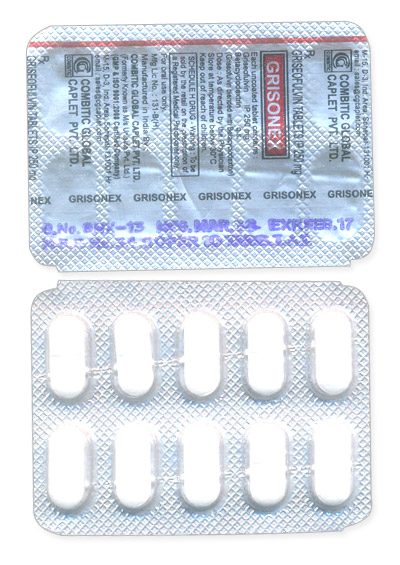
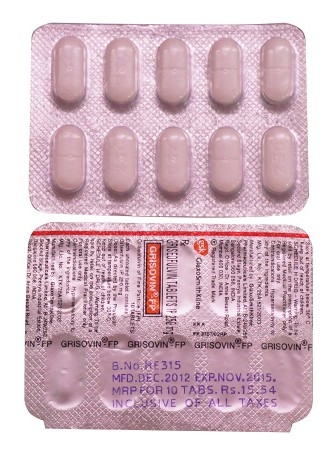
Antifungal medications are specialized treatments designed to combat fungal infections by disrupting the cell walls or growth processes of harmful fungi. These medications work by targeting specific components unique to fungal cells, effectively eliminating the infection while minimizing damage to healthy human tissue.
Antifungals treat various common conditions including athlete's foot, ringworm, jock itch, yeast infections, nail fungus, and scalp infections. The choice between topical and systemic antifungals depends on the infection's severity and location. Topical treatments are applied directly to affected skin or mucous membranes and are ideal for localized infections. Systemic antifungals are taken orally or intravenously for widespread or resistant infections.
Seek medical advice if symptoms persist beyond two weeks of treatment, if the infection spreads rapidly, or if you experience severe itching, pain, or discharge. Individuals with diabetes or compromised immune systems should consult healthcare professionals before self-treating fungal infections.
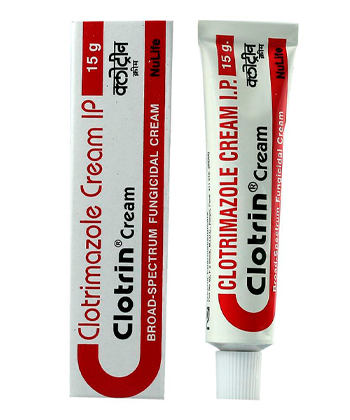
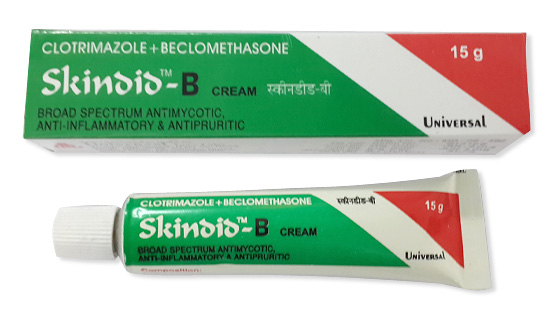
Several effective topical antifungal medications are readily available across Canada, offering relief for various fungal skin conditions. Clotrimazole, found in popular brands like Canesten and Lotrimin, effectively treats yeast infections and skin fungal conditions. Miconazole, available as Micatin and Monistat, is particularly effective for vaginal yeast infections and athlete's foot.
Terbinafine (Lamisil) is highly effective against nail fungus and ringworm, while Ketoconazole (Nizoral) treats seborrheic dermatitis and dandruff. These medications are available in multiple forms:
Many formulations are available over-the-counter, though prescription-strength options provide higher concentrations for severe or persistent infections. Always follow package directions and complete the full treatment course for optimal results.
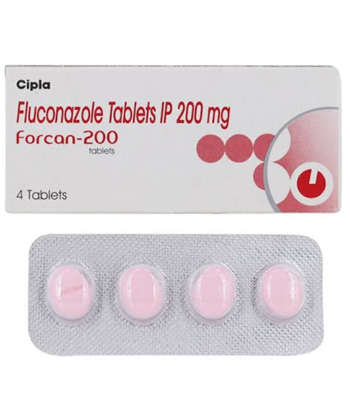
Fluconazole is a widely prescribed oral antifungal medication in Canada, commonly known by the brand name Diflucan. This medication is highly effective for treating vaginal yeast infections and can provide relief with just a single dose. Fluconazole works by inhibiting the growth of Candida fungi and is also used to treat oral thrush and other systemic fungal infections. It's available by prescription from Canadian pharmacies and is covered under many provincial health plans.
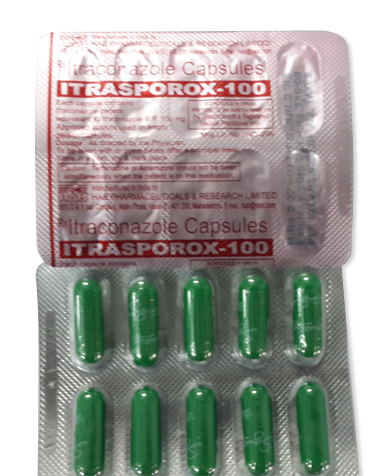
Itraconazole, marketed as Sporanox, is prescribed for more serious or persistent fungal infections that may not respond to other treatments. This broad-spectrum antifungal is particularly effective against aspergillosis, histoplasmosis, and severe skin fungal infections. Treatment with itraconazole typically requires careful monitoring by healthcare professionals due to potential interactions with other medications and the need for proper dosing adjustments.
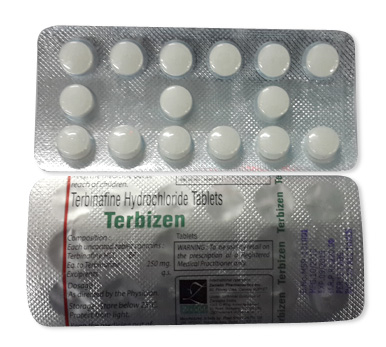
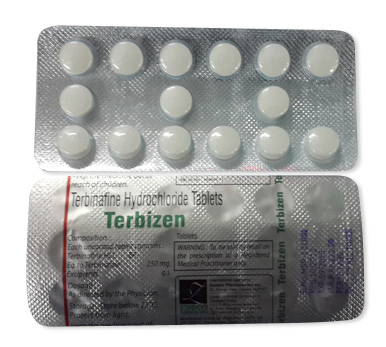
Terbinafine oral tablets are considered the gold standard treatment for nail fungus (onychomycosis) in Canada. Unlike topical treatments, oral terbinafine can penetrate the nail bed effectively, providing cure rates of 70-80% for toenail infections. Treatment typically lasts 6 weeks for fingernails and 12 weeks for toenails. Patients require periodic liver function monitoring during treatment, as recommended by Health Canada guidelines.
All oral antifungal medications in Canada require a prescription from a licensed healthcare provider. Dosing varies based on the specific condition being treated, patient weight, kidney function, and potential drug interactions. Healthcare providers must consider factors such as pregnancy, liver function, and concurrent medications when prescribing these treatments. Regular follow-up appointments may be necessary to monitor treatment progress and potential side effects.
Oral antifungals are essential for treating systemic fungal infections that cannot be effectively managed with topical treatments alone. These medications circulate throughout the bloodstream, reaching infected tissues and organs. They are particularly important for immunocompromised patients and those with deep tissue infections. Treatment success rates vary depending on the type of infection, patient health status, and adherence to the prescribed treatment regimen.
Vaginal yeast infections are among the most common fungal conditions affecting Canadian women. Treatment options include single-dose oral fluconazole or topical antifungal creams and suppositories. Over-the-counter options such as miconazole and clotrimazole are readily available at Canadian pharmacies, while prescription strength treatments may be necessary for recurrent or resistant infections. Women experiencing frequent yeast infections should consult with their healthcare provider to rule out underlying conditions.
These common fungal skin infections thrive in warm, moist environments and are effectively treated with both topical and oral antifungals. Topical treatments including terbinafine cream, miconazole, and clotrimazole are first-line therapies available without prescription. Severe or persistent cases may require oral antifungal medications. Treatment typically continues for 2-4 weeks beyond symptom resolution to prevent recurrence.
Nail fungus requires persistent treatment due to the challenging nature of penetrating the nail structure. Treatment options available in Canada include:
Complete cure rates vary, and treatment may take 6-12 months depending on the severity and location of the infection.
Oral thrush, particularly common in infants, elderly patients, and immunocompromised individuals, responds well to antifungal treatment. Nystatin suspension is often the first choice for mild cases, while fluconazole may be prescribed for more severe or recurrent infections. Proper oral hygiene and addressing underlying risk factors are essential components of successful treatment.
Ringworm and other tinea infections affect various body areas including the scalp, body, and groin. Most superficial infections respond to topical antifungals such as terbinafine or azole creams. Scalp ringworm (tinea capitis) requires oral antifungal treatment, typically with terbinafine or itraconazole, as topical treatments cannot penetrate hair follicles effectively.
Successful antifungal treatment requires completing the full prescribed course, even after symptoms disappear. Prevention strategies include maintaining proper hygiene, keeping affected areas dry, wearing breathable fabrics, and avoiding sharing personal items. For recurrent infections, addressing underlying risk factors such as diabetes, immune system disorders, or lifestyle factors is crucial for long-term success. Regular follow-up with healthcare providers ensures optimal treatment outcomes and helps prevent resistance development.
Topical antifungal medications are generally well-tolerated, but some users may experience mild skin irritation, redness, or burning at the application site. These reactions typically subside as your skin adjusts to the treatment. If irritation persists or worsens, discontinue use and consult your pharmacist or healthcare provider.
Oral antifungals can interact with various medications, including blood thinners, certain antibiotics, and some heart medications. Always inform your pharmacist about all prescription and over-the-counter medications you're taking to avoid potential interactions that could affect treatment effectiveness or cause adverse reactions.
Individuals with liver disease, kidney problems, or known allergies to antifungal ingredients should exercise caution. Pregnant and breastfeeding women should consult their healthcare provider before using any antifungal medication. Contact your doctor immediately if you experience severe allergic reactions, unusual fatigue, or yellowing of skin or eyes.
The choice of antifungal treatment depends on several factors including the type and severity of infection, affected area, patient age, and medical history. Consider whether you need rapid relief or prefer a longer-acting formulation, and evaluate your lifestyle to determine the most convenient application method.
Canadian pharmacists are highly trained healthcare professionals who can provide valuable guidance on antifungal selection. They can help identify the most appropriate treatment, explain proper application techniques, and monitor for potential drug interactions or side effects.
When selecting antifungal treatments, consider these practical factors: