Allergies occur when your immune system overreacts to normally harmless substances called allergens. When exposed to these triggers, your body releases chemicals like histamine, causing uncomfortable symptoms such as sneezing, itching, watery eyes, and congestion. In more severe cases, allergic reactions can lead to difficulty breathing or anaphylaxis, a life-threatening emergency.
Canadians commonly encounter various allergens throughout the year. Spring and summer bring high pollen counts from trees, grasses, and ragweed, while indoor allergens persist year-round:
Antiallergic medications work by blocking histamine receptors or preventing the release of inflammatory substances. These treatments can provide both preventive protection and symptom relief. Allergic reactions range from mild (slight itching, minor congestion) to moderate (widespread hives, significant respiratory symptoms) to severe (anaphylaxis requiring immediate emergency care).
Seek immediate medical attention if you experience difficulty breathing, swelling of the face or throat, rapid pulse, or severe whole-body reactions. Consult your healthcare provider for persistent symptoms that interfere with daily activities.
Histamine is the primary chemical responsible for triggering allergic symptoms. When your immune system encounters an allergen, it releases histamine from specialized cells, causing blood vessels to dilate, tissues to swell, and mucus production to increase. This results in the familiar symptoms of runny nose, itchy eyes, sneezing, and skin reactions.
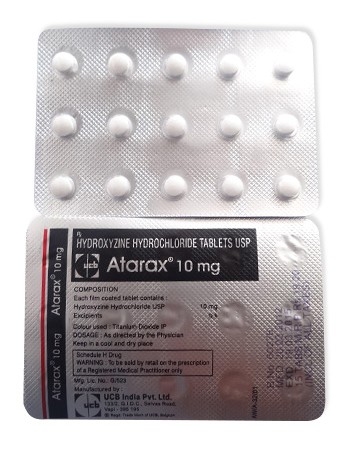
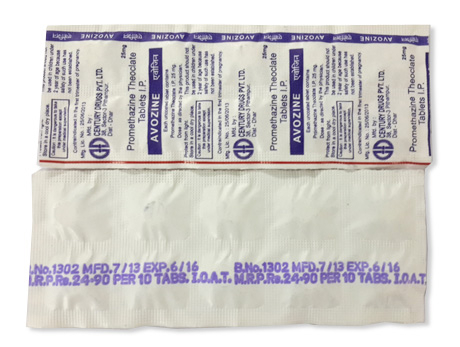
First-generation antihistamines have been available in Canada for decades and remain effective options for acute allergic reactions. Diphenhydramine (Benadryl) provides rapid relief but commonly causes drowsiness, making it suitable for nighttime use or when sedation is acceptable. Chlorpheniramine (Chlor-Tripolon) offers similar benefits with slightly less sedating effects. Both medications can cause dry mouth, blurred vision, and impaired concentration, so avoid driving or operating machinery after taking them.
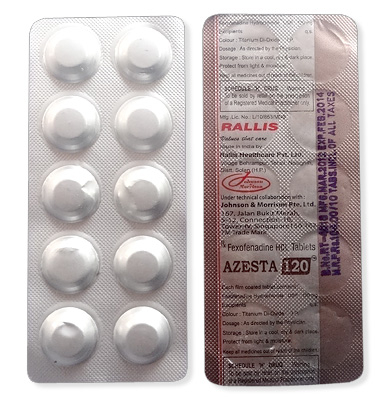
Second-generation antihistamines represent a significant advancement in allergy treatment, providing effective symptom control without significant drowsiness. These medications are ideal for daily use during allergy season:
These non-drowsy formulations allow Canadians to maintain their daily routines while managing seasonal or perennial allergies effectively. They're particularly beneficial for students, professionals, and anyone requiring mental clarity throughout the day.
Nasal congestion is one of the most bothersome allergy symptoms, but several effective treatments are readily available across Canada to provide relief. Understanding your options helps you choose the most appropriate medication for your specific needs.
Oral decongestants work by reducing swelling in nasal passages, making breathing easier during allergy flare-ups. Pseudoephedrine products, available behind pharmacy counters, offer powerful congestion relief for seasonal and year-round allergies. Phenylephrine-based medications provide a convenient over-the-counter alternative, though they may be less potent than pseudoephedrine formulations.
Prescription-strength nasal sprays deliver targeted anti-inflammatory relief directly to affected areas:
Many Canadians benefit from combination products that address multiple allergy symptoms simultaneously, combining antihistamines with decongestants for comprehensive relief. For optimal results, use nasal sprays consistently as directed, typically once or twice daily. Limit oral decongestant use to prevent rebound congestion, and consult your pharmacist about proper spray techniques to maximize effectiveness while minimizing side effects.
Allergic reactions often affect the eyes and skin, requiring specialized topical treatments to address localized symptoms effectively. Canadian pharmacies stock various options to target these specific allergy manifestations.
When seasonal or environmental allergens cause red, itchy, watery eyes, antihistamine eye drops provide rapid, targeted relief. Ketotifen (Zaditor) offers dual-action treatment, combining antihistamine and mast cell stabilizer properties for both immediate and preventive relief. Olopatadine products deliver prescription-strength effectiveness for severe allergic conjunctivitis, providing long-lasting comfort throughout allergy season.
Skin reactions from contact allergies or eczema require gentle yet effective topical interventions:
Apply topical treatments to clean, dry skin as directed, avoiding prolonged use of corticosteroid creams without medical supervision. Always patch-test new products on a small skin area first to ensure compatibility.
Emergency allergy medications are life-saving treatments designed for severe allergic reactions, particularly anaphylaxis. In Canada, epinephrine auto-injectors such as EpiPen and Allerject are the primary emergency treatments available by prescription for individuals at risk of severe allergic reactions.
Anaphylaxis is a severe, potentially life-threatening allergic reaction that can occur within minutes of exposure to an allergen. Warning signs include difficulty breathing, swelling of the face or throat, rapid pulse, dizziness, and widespread hives. Immediate administration of epinephrine is crucial, followed by emergency medical attention.
Emergency epinephrine auto-injectors require a prescription from a Canadian healthcare provider. Proper storage involves keeping devices at room temperature, avoiding extreme heat or cold, and checking expiration dates regularly. Users should receive training on correct injection technique and carry two devices at all times as recommended by Health Canada guidelines.
Canadian schools and workplaces often have specific policies regarding emergency allergy medications. Many institutions require action plans outlining allergen avoidance, emergency contact information, and clear instructions for medication administration. Parents and employees should work with administrators to ensure proper protocols are established and staff are trained in emergency response procedures.
Selecting appropriate antiallergic medication requires careful consideration of multiple factors including the type and severity of allergies, individual health circumstances, and Canadian healthcare guidelines. Understanding these factors helps ensure effective symptom management while minimizing potential risks.
Seasonal allergies typically require short-term treatment during specific periods, while perennial allergies need year-round management strategies. Age-appropriate formulations vary significantly, with children requiring liquid formulations or chewable tablets, adults having access to the full range of options, and seniors needing careful consideration of potential drug interactions with existing medications.
Important factors to consider when choosing antiallergic medications include:
Canadian pharmacists and healthcare providers offer valuable guidance in medication selection and can review provincial drug coverage options. Many allergy medications are available over-the-counter, while prescription options may be covered under provincial health plans or private insurance. For persistent or severe symptoms, healthcare providers may recommend allergy testing and immunotherapy as long-term treatment strategies alongside natural approaches such as saline rinses and allergen avoidance measures.