Fasigyn
In brief
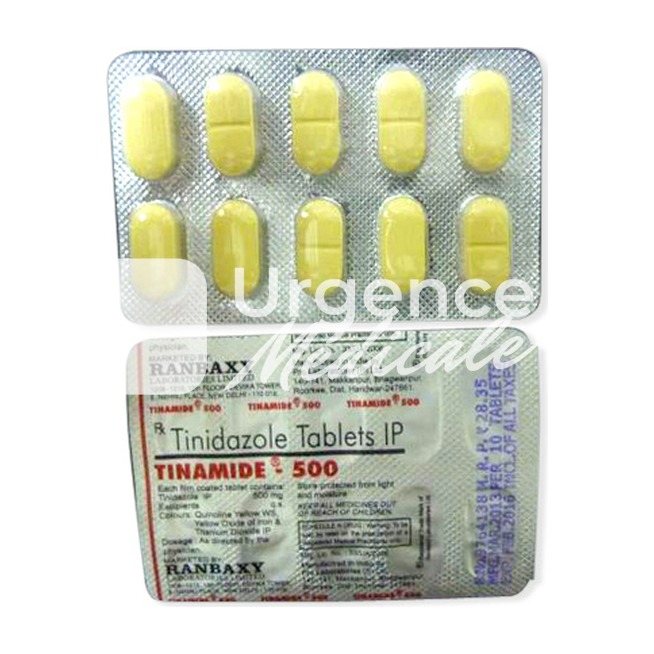
- Fasigyn is the name under which we offer generic tinidazole 500 mg tablets, an antiprotozoal and antibacterial medicine of the nitroimidazole group.
- Fasigyn (tinidazole) is used for trichomoniasis, giardiasis, amebiasis, bacterial vaginosis and infections caused by anaerobic bacteria, as directed by a doctor.
- Offered here: Fasigyn tablets 500 mg, in packs of 60 to 360 tablets.
- Fasigyn is a prescription medicine; your doctor confirms the diagnosis, the dose and the length of treatment.
- Do not drink alcohol during treatment with Fasigyn or for 72 hours after the last dose, because it can cause a severe reaction.
- A metallic taste in the mouth, nausea and headache are among the common effects of Fasigyn.
- Fasigyn is usually taken with food, and the whole course should be completed as prescribed.
- Delivery time depends on the shipping method and is shown at checkout.
Basic Fasigyn Information
- Active substance (INN): tinidazole
- Form and strength offered: tablets 500 mg
- Pack sizes: 60 to 360 tablets
- Medicine group: nitroimidazole antiprotozoal and antibacterial
- ATC code: P01AB02
- Availability: prescription medicine
Fasigyn: Brand Name or Active Ingredient?
Fasigyn is a well-known trade name for tinidazole. Under the name Fasigyn we offer generic tinidazole in tablets of 500 mg, which is the generic equivalent of the brand. The name printed on the pack may differ from the name of this card, but the active substance is the same: tinidazole. This page describes only the 500 mg tablets in packs of 60 to 360 tablets.
What Is Fasigyn Used For?
Fasigyn is a prescription medicine for infections caused by protozoa and by anaerobic bacteria, which are bacteria that grow without oxygen. Treatment is decided by a doctor after the infection has been diagnosed.
- trichomoniasis (infection with Trichomonas vaginalis), where the sexual partner is usually treated at the same time,
- giardiasis (infection of the gut with Giardia lamblia),
- intestinal amebiasis and amebic liver abscess (after treatment with Fasigyn, treatment should be followed by a luminal amoebicide prescribed by the doctor to clear parasites remaining inside the gut),
- bacterial vaginosis,
- infections caused by anaerobic bacteria, and prevention of such infections around some surgical procedures.
Fasigyn does not act on aerobic bacteria, fungi or viruses, so it is not a treatment for a cold or the flu.
How Fasigyn Works
Tinidazole, the active substance of Fasigyn, enters the cells of protozoa and anaerobic bacteria. Inside them it is converted to forms that damage their DNA, which kills the sensitive organisms. Tinidazole stays in the body longer than the older medicine metronidazole, so for some infections a single dose of Fasigyn is enough.
Fasigyn Dosage and Administration
The dose of Fasigyn is always set by your doctor. The ranges below are informational and follow typical product-monograph guidance for adults; they do not replace your doctor's instructions.
| Condition | Typical informational range for adults | Notes |
|---|---|---|
| Trichomoniasis | 2 g (four Fasigyn 500 mg tablets) as a single dose | the partner is treated at the same time |
| Giardiasis | 2 g as a single dose | taken with food |
| Intestinal amebiasis | 2 g once daily for 3 days | amebic liver abscess may need longer treatment, as the doctor decides |
| Bacterial vaginosis | 2 g once daily for 2 days, or 1 g once daily for 5 days | the doctor chooses the schedule |
| Anaerobic infections | a higher first dose, then a lower daily dose for several days | the length of treatment is set by the doctor |
For children, whether Fasigyn can be used and at what dose depends on age and the condition; the adult schedule must never be applied on your own.
How to Take Fasigyn Tablets
- Swallow Fasigyn tablets with water, preferably during or after a meal, which reduces nausea.
- Take the whole course as prescribed, even if you feel better.
- If you miss a dose of Fasigyn on a multi-day schedule, take it when you remember, unless the next dose is nearly due. Do not take a double dose.
- Do not share Fasigyn tablets with other people.
Fasigyn and Alcohol
Do not drink alcohol while you are taking Fasigyn and for 72 hours after the last dose. Tinidazole can cause a disulfiram-like reaction with alcohol: flushing, fast heartbeat, nausea, vomiting and abdominal cramps. Also avoid products containing alcohol or propylene glycol during treatment and for 72 hours after the last dose.
Who Should Not Take Fasigyn?
- People allergic to tinidazole, metronidazole or other nitroimidazoles.
- Women in the first trimester of pregnancy.
- People with a history of blood disorders or active disease of the central nervous system, unless the doctor decides otherwise.
- People who have taken disulfiram in the last two weeks.
Tell your doctor about liver disease, epilepsy or other nervous system disorders and all of your medicines before starting Fasigyn.
Fasigyn Side Effects
Common Fasigyn Side Effects
- metallic or bitter taste in the mouth,
- nausea, loss of appetite, abdominal discomfort or diarrhea,
- headache and dizziness,
- darker urine, tiredness, skin rash or itching.
The frequency of each effect is given in the product monograph.
Serious Fasigyn Side Effects
- numbness, tingling or weakness in the hands or feet (peripheral neuropathy),
- seizures,
- a drop in white blood cells, with fever or frequent infections,
- severe allergic and skin reactions.
Stop Fasigyn and seek emergency medical help for a seizure or a severe rash with blistering, peeling or mouth sores. Contact a doctor promptly for new numbness or tingling in the limbs. Swelling of the face, wheezing or difficulty breathing needs urgent medical help.
Fasigyn Interactions
- Alcohol: avoid during treatment and for 72 hours afterwards.
- Disulfiram: risk of confusion or psychotic reactions.
- Warfarin: Fasigyn can increase its blood-thinning effect, so INR monitoring is needed.
- Lithium: levels may rise.
- Phenytoin, phenobarbital and rifampin: speed up the removal of tinidazole and can make Fasigyn less effective.
- Cimetidine: can raise tinidazole levels.
- Fluorouracil and cyclosporine: need monitoring when used with Fasigyn.
Give your doctor a full list of your medicines and supplements before starting Fasigyn.
Fasigyn in Pregnancy and Breastfeeding
Fasigyn is not used in the first trimester of pregnancy. In later months the doctor decides after weighing benefit and risk. Tinidazole passes into breast milk, so breastfeeding must be paused during treatment with Fasigyn and for 72 hours after the last dose; the milk can be expressed and discarded during that time.
Fasigyn, Dizziness and Driving
Fasigyn can cause dizziness or drowsiness. Until you know how it affects you, avoid driving or operating machinery.
Storing Fasigyn
- Keep Fasigyn tablets at room temperature, in the original pack, away from light and moisture.
- Keep the tablets out of the reach of children.
- Do not use Fasigyn past the expiry date.
Fasigyn Compared With Similar Medicines
| Medicine | Group | Main notes |
|---|---|---|
| Fasigyn (tinidazole 500 mg) | nitroimidazole | long half-life; a single dose is enough for some infections |
| Metronidazole | nitroimidazole | older medicine, usually taken several times a day for several days |
| Secnidazole | nitroimidazole | also a long-acting nitroimidazole used for bacterial vaginosis and trichomoniasis |
The choice between Fasigyn and another nitroimidazole is made by your doctor and depends on the diagnosis and tolerance.
Frequently Asked Questions About Fasigyn
Is Fasigyn the same as tinidazole?
Fasigyn is a trade name for a medicine containing tinidazole. On this card we offer generic tinidazole 500 mg tablets in packs of 60 to 360 tablets.
Can I drink alcohol after taking Fasigyn?
No. Avoid alcohol during treatment with Fasigyn and for 72 hours after the last dose, because it can cause a severe reaction.
Is Fasigyn a prescription medicine?
Yes. Fasigyn is a prescription medicine. A doctor confirms the infection and decides the dose and the duration. Ordering it here does not replace medical advice.
Why does Fasigyn leave a metallic taste?
A metallic or bitter taste is a known effect of tinidazole and usually goes away when the course ends. Tell your doctor if it becomes bothersome or if you develop other symptoms.