Bactrim
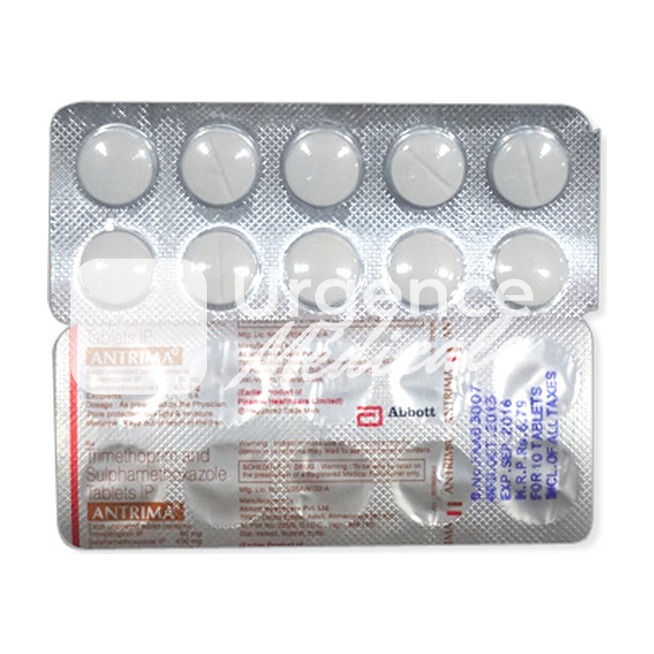
In brief
- Bactrim is the name under which we offer sulfamethoxazole + trimethoprim tablets: 400+80 mg (packs of 90 to 360) and 800+160 mg, known as DS (packs of 60 to 360).
- Bactrim is a prescription antibiotic; a doctor decides whether it is appropriate and for how long.
- Bactrim is used for infections caused by susceptible bacteria, such as urinary tract and some respiratory and bowel infections.
- Do not take Bactrim if you are allergic to sulfonamide medicines; stop it at the first sign of a rash.
- Rarely, Bactrim causes severe skin reactions (Stevens-Johnson syndrome, toxic epidermal necrolysis); a painful spreading rash, blisters or mouth sores need urgent medical help.
- Bactrim can raise blood potassium (hyperkalemia) and reduce folate; the doctor may order blood tests.
- Antibiotics such as Bactrim do not work against viruses like colds and flu.
- Delivery time depends on the shipping method and is shown at checkout.
Basic Bactrim Information
- Active substances (INN): sulfamethoxazole and trimethoprim (co-trimoxazole)
- Form and strengths offered: tablets 400+80 mg (packs of 90 to 360) and 800+160 mg, DS (packs of 60 to 360)
- Drug group: sulfonamide and folate-antagonist antibacterial combination
- Availability: prescription medicine
- Our offer: under the name Bactrim we offer sulfamethoxazole + trimethoprim in the strengths listed above
What Bactrim Is Used For
Bactrim (sulfamethoxazole + trimethoprim) is a prescription antibiotic. According to standard references and the Canadian monograph, it is used for infections caused by susceptible bacteria, including urinary tract infections, acute flare-ups of chronic bronchitis, certain ear infections in children, shigellosis and travellers' diarrhea, and for the treatment and prevention of Pneumocystis jirovecii pneumonia in people with weakened immunity. The doctor decides whether Bactrim fits your infection.
How Bactrim Works
Bactrim contains two substances that block two successive steps in the way bacteria make folate, a vitamin they need to grow. Sulfamethoxazole and trimethoprim together stop susceptible bacteria from multiplying. Bactrim acts only on bacteria and some other microbes; it has no effect on viral infections such as colds and flu.
Bactrim Dosage and Administration
The information below is an informational range from the monograph. The dose of Bactrim and the length of treatment are always set by your doctor, based on the infection, your kidney function, age and weight.
- Urinary tract infections (adults): the usual dose described is one DS tablet (800+160 mg) or two tablets of 400+80 mg every 12 hours, for a period chosen by the doctor, from a short course for uncomplicated cases to longer courses.
- Pneumocystis pneumonia prevention: a common regimen is one DS tablet once a day.
- Pneumocystis pneumonia treatment: weight-based dosing under close medical supervision.
- Reduced kidney function: the doctor lowers the dose or lengthens the interval.
How to Take Bactrim
- Take Bactrim with a full glass of water and drink plenty of fluids during the course.
- Take it at evenly spaced times and complete the whole course your doctor has set, even if you feel better.
- Do not use leftover Bactrim for a later illness.
Who Should Not Take Bactrim
- People allergic to sulfonamide antibiotics, trimethoprim or any tablet ingredient, including anyone with previous drug-induced immune thrombocytopenia caused by trimethoprim or sulfonamides.
- Megaloblastic anemia due to folate deficiency.
- Marked liver damage or severe kidney disease where kidney function cannot be monitored.
- Infants under 2 months of age.
Tell your doctor before taking Bactrim if you have kidney or liver disease, a G6PD deficiency (which can lead to destruction of red blood cells), porphyria, asthma, thyroid disease, a low folate level, or if you are older, because older people have a higher risk of side effects.
Bactrim Side Effects
Common side effects of Bactrim
- nausea, vomiting, loss of appetite and diarrhea;
- skin rash and itching;
- sensitivity to sunlight;
- headache.
The frequency of each side effect is given in the Bactrim product monograph.
Serious Bactrim side effects: stop and get urgent help
- Severe skin reactions: Stevens-Johnson syndrome and toxic epidermal necrolysis, with blisters, peeling skin, mouth or eye sores and fever. Stop Bactrim at the first sign of a rash and get urgent medical help.
- High potassium (hyperkalemia): muscle weakness or an irregular heartbeat; risk is higher with kidney disease and with some other medicines.
- Blood disorders: sore throat, fever, easy bruising or pallor, partly linked to folate lowering and G6PD deficiency.
- Liver problems: yellowing of skin or eyes, dark urine.
- Severe or bloody diarrhea during or after the course (possible Clostridioides difficile infection).
Bactrim Interactions
- Warfarin: Bactrim can increase bleeding risk; frequent blood tests are needed.
- Methotrexate: raises the risk of serious blood toxicity.
- ACE inhibitors, ARBs, spironolactone and potassium supplements: may raise potassium to dangerous levels.
- Phenytoin, cyclosporine, digoxin and some diabetes medicines: blood levels or effects may change.
Give your doctor a complete list of medicines and supplements before you start Bactrim.
Bactrim During Pregnancy and Breastfeeding
Bactrim lowers folate and can pass to the baby, so it is generally avoided in pregnancy, especially in the first trimester and near the end of pregnancy, unless the doctor judges it necessary. Small amounts pass into breast milk and can affect newborns, so discuss Bactrim with your doctor if you are breastfeeding.
Storing Bactrim and Missed Doses
- Store Bactrim tablets at room temperature, away from light and moisture, out of the reach of children.
- If you miss a dose, take it when you remember, unless the next dose is almost due; do not double up.
Bactrim Compared With Similar Medicines
| Medicine | Substance | Class |
|---|---|---|
| Bactrim | sulfamethoxazole + trimethoprim | folate-pathway antibacterial combination |
| Macrobid | nitrofurantoin | urinary antibacterial |
| Cipro | ciprofloxacin | fluoroquinolone |
| Clavulin | amoxicillin + clavulanic acid | penicillin with beta-lactamase inhibitor |
Bactrim FAQ
Is Bactrim a prescription medicine?
Yes. Bactrim is a prescription antibiotic, and treatment is decided and supervised by a doctor.
What is the difference between Bactrim and Bactrim DS?
Bactrim DS (double strength) has twice the amount of both substances: 800+160 mg compared with 400+80 mg. Under the name Bactrim we offer both strengths.
Can I take Bactrim if I am allergic to sulfa drugs?
No. Bactrim contains a sulfonamide, so it is not suitable for people with a sulfa allergy. Tell your doctor about any previous reaction.
What should I do if a rash appears while taking Bactrim?
Stop taking Bactrim and contact a doctor right away. A rash with blisters, peeling skin, fever or mouth sores needs urgent medical help.